
Cyborg Cop III
1995
No user ratings available yet
Diversity score: 2.5 out of 10

1991
Director
Alan Roberts
Runtime
90 minutes
Average Rating
No ratings yetSynopsis
John Travis is the last honest cop in a future dominated by terroristic martial-arts gangs who fight gladiator-style in arenas.
Overall Score
Limited
Category Breakdown
LGBTQ+ Representation
The film focuses exclusively on a singular male protagonist. There is no evidence of non-cisnormative identities or narratives that critique heteronormativity.
Gender Representation
The story centers on a masculine archetype within a hyper-masculine combat environment. There is no indication of female characters with high agency or the subversion of gender hierarchies.
Racial & Ethnic Diversity
Martial-arts gangs suggest potential for ethnic representation. However, these elements often risk falling into cultural stereotypes rather than providing nuanced agency within this genre context.
Religious & Cultural Diversity
The premise aligns with traditional Western tropes of individualist heroism. The narrative leans toward a standard moral binary between an honest hero and chaotic gangs.
Disability Representation
The narrative contains no mention of characters navigating physical, neurodivergent, or sensory disabilities.
Strengths
Areas for Improvement
AI Analysis
Karate Cop functions as a conventional 1990s cyberpunk action piece. The narrative architecture prioritizes a singular, traditional masculine protagonist, John Travis, navigating a dystopian landscape. This setup follows a standard hero's journey focused on individual morality. The film relies heavily on established genre tropes, such as gladiator-style combat and systemic chaos. While the presence of martial-arts gangs implies a diverse cast of antagonists, the film lacks evidence of complex, intersectional identities or the disruption of social hierarchies. Ultimately, the production appears focused on mainstream genre entertainment. It favors spectacle and combat over progressive narrative experimentation or the inclusion of diverse perspectives.
1995
1992

1996
1985
1975

1995
1982
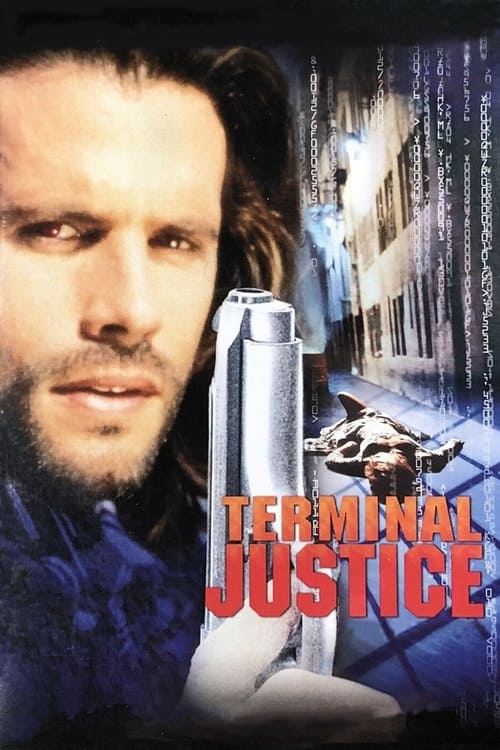
1996
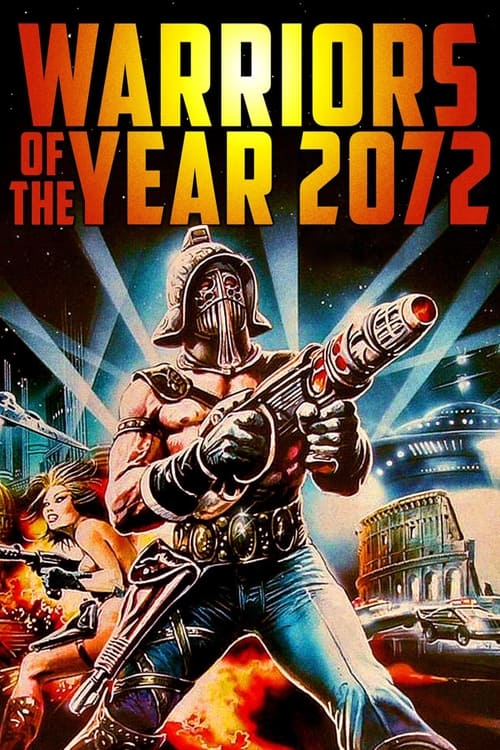
1984

1995
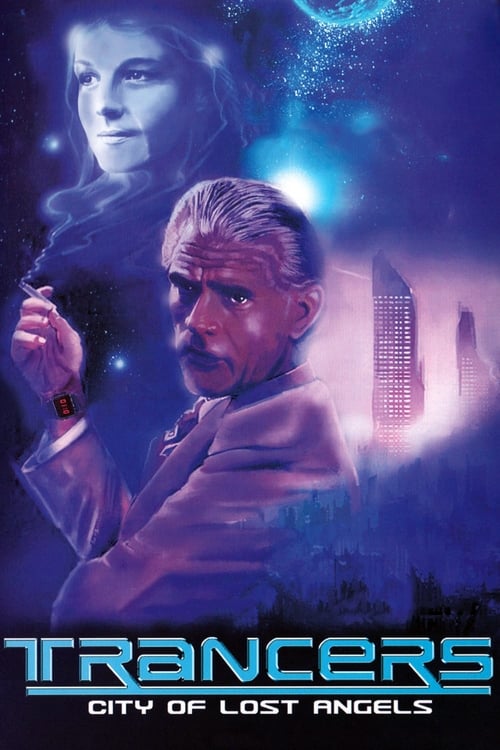
2013
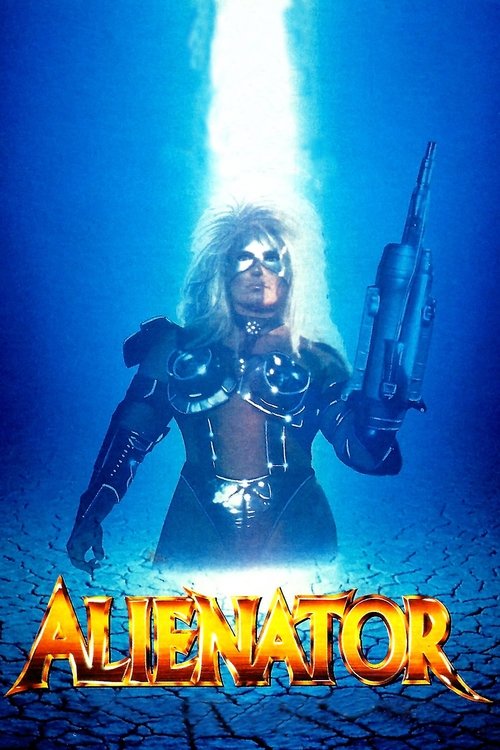
1990
No reviews yet. Be the first to share your thoughts on this movie!
Use the rating form above to leave a star rating and optional review.