
Absolute Aggression
1996
No user ratings available yet
Representation score: 2.9 out of 10
Representation Score
Minimal
1996
RDirector
Rick King
Runtime
94 minutes
Average Rating
No ratings yetNew Showbiz Analysis
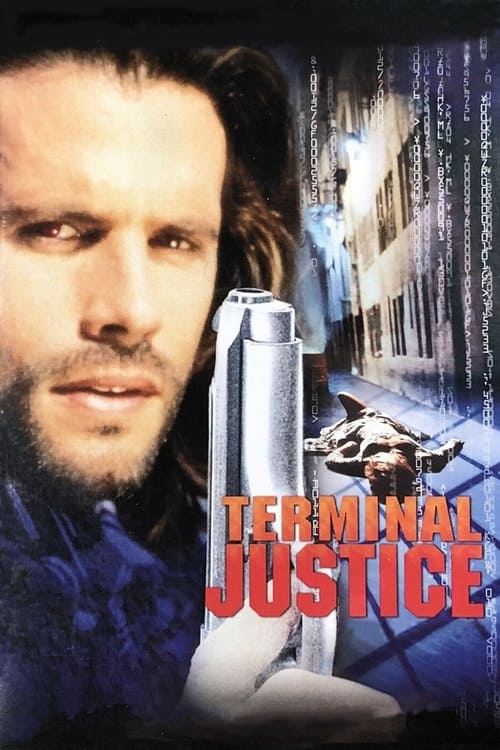
Terminal Justice is a mid-90s science fiction thriller that relies heavily on established genre clichés. The plot centers on biotechnology and the commodification of identity, particularly through the threat of cloning a famous star. The film follows a traditional protector/protégé dynamic, with a soldier tasked to rescue a civilian. This structure prioritizes conventional Western heroic archetypes over diverse storytelling. While the high-concept sci-fi elements touch on systemic exploitation, the representation remains narrow, focusing on a standard Western cast and traditional gender roles.
Category Breakdown
The film does not include any LGBTQ+ characters or relationships that challenge traditional heterosexual norms. The main conflict revolves around the biological commodification of a female character, reinforcing a traditional perspective.
The story contrasts a female protagonist with male characters who take action and pursue scientific goals. While the female lead drives the plot, her role is threatened by the possibility of being cloned.
There is no indication of a racially diverse or non-Anglo-Saxon majority cast. The character names suggest a typical Western casting profile common in 1990s action films.
The narrative delves into themes of technological corruption and the commodification of identity within a hyper-capitalist society. It relies on traditional Western heroic figures without challenging these archetypes.
The film does not feature any characters dealing with physical, sensory, or neurodivergent conditions.
Present on Screen
Limited or Absent
Official Synopsis
In 2008 cybersex can only be surpassed by one thing: Cloned women, especially created for their clients. This puts Pamela Travis, a famous and much sought-after cybersex star in great danger - Dr. Vivyan, scientist and genius in the field of biotechnology wants her DNA to clone her for his many customers. Sergeant Bobby Chase is assigned to protect her, but can't prevent her from being kidnapped. In order to free Pamela, Chase has to risk his life in a deadly virtual reality game called "Hellraiser"
1996

1996

1995

1995

1995

1992

1996

2001
No reviews yet. Be the first to share your thoughts on this movie!
Use the rating form above to leave a star rating and optional review.