
The Only One
1976
No user ratings available yet
Diversity score: 2.6 out of 10
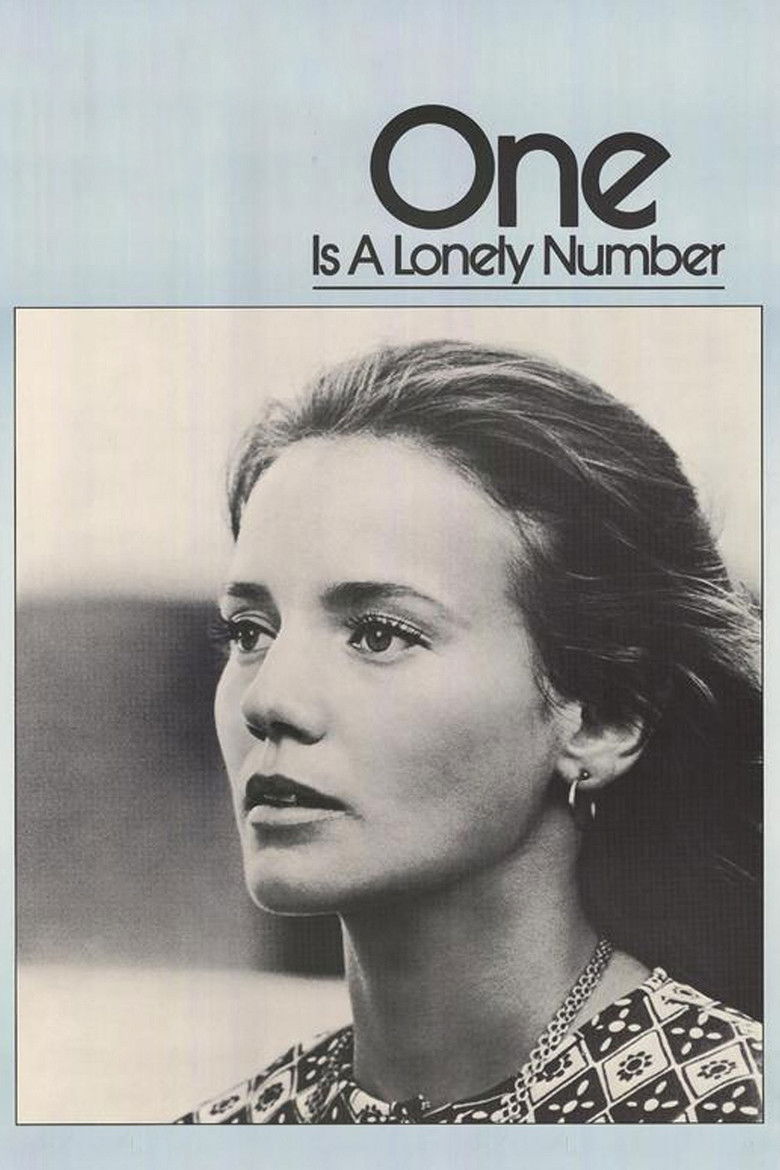
1972
PGDirector
Mel Stuart
Runtime
97 minutes
Average Rating
No ratings yetSynopsis
A young woman has difficulty understanding why her husband walks out on her. Alone for the first time, she finds life difficult to cope with and for a time lives with the hope that her husband will come back to her.
Overall Score
Limited
Category Breakdown
LGBTQ+ Representation
The film operates within a standard mid-century social framework. There is no evidence of non-cisnormative identities or critiques of heteronormativity.
Gender Representation
The story centers on a woman's emotional resilience following marital abandonment. It explores the breakdown of domestic structures without actively subverting traditional gender hierarchies.
Racial & Ethnic Diversity
The narrative focuses on a white, middle-class experience. The casting reflects the demographic homogeneity common in 1970s urban dramas.
Religious & Cultural Diversity
The film critiques urban alienation and the dehumanizing effects of modern societal structures. It portrays social dysfunction as a byproduct of individual isolation.
Disability Representation
There are no visible or invisible disabilities portrayed with agency. The protagonist's psychological struggle is framed as a response to social alienation.
Strengths
Areas for Improvement
AI Analysis
One Is a Lonely Number is a character study rooted in the traditional dramatic tropes of the early 1970s. It focuses on the psychological realism of a woman navigating the aftermath of a husband's departure. The film lacks the intentionality required to disrupt established social hierarchies. Instead, it relies on a homogeneous demographic baseline that reflects the era's standard for urban dramas. Ultimately, the work prioritizes individual emotional struggles over intersectional representation or systemic critique, resulting in a narrow social perspective.
1976
1932
1984

1989

1965

1956
1961
1974

1971
1973

1971

1972
No reviews yet. Be the first to share your thoughts on this movie!
Use the rating form above to leave a star rating and optional review.