Personality Parade
1938
No user ratings available yet
Representation score: 1.4 out of 10
Representation Score
Minimal
1934
ApprovedDirector
Ralph Staub
Runtime
8 minutes
Average Rating
No ratings yetNew Showbiz Analysis
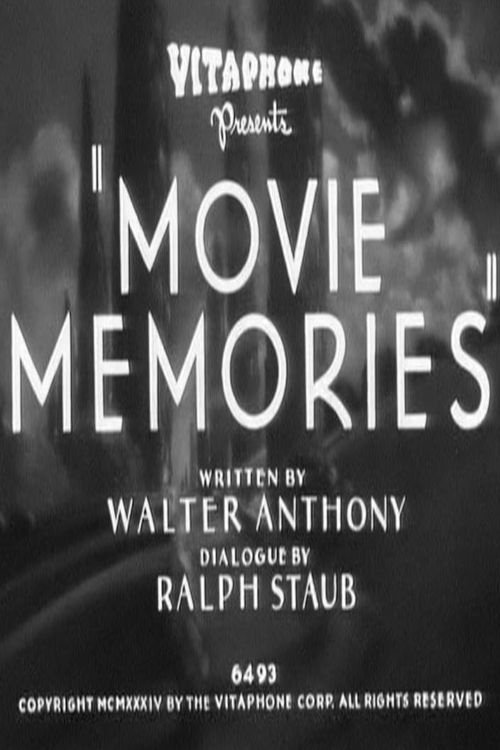
Movie Memories serves as a nostalgic look at the past rather than a story meant to challenge societal norms. It is primarily a tribute to the Hollywood establishment and its most celebrated stars. While the film introduces viewers to various early cinema figures, it adheres to the traditional ways of the 1930s. The content emphasizes the history of the studio system and its wealth over addressing broader social issues. Ultimately, the film presents a historical view of a predominantly white-focused industry, highlighting the professional milestones of stars without addressing larger social identities.
Category Breakdown
The film does not include any stories involving LGBTQ+ individuals or those whose gender doesn't match their birth-assigned sex. It focuses on the professional lives of well-known stars from the 1930s.
It highlights prominent actresses like Mary Pickford and Mabel Normand. However, their roles are defined by the male-dominated studio system rather than as leaders of change.
The film features actors like Rudolph Schildkraut, reflecting a mix of ethnicities. Despite this, it remains centered around white Hollywood figures without questioning racial power structures.
This film looks back at the glory days of Hollywood and the fame of its stars. It upholds traditional views of the film industry's success and the American film establishment.
There is no mention of neurological differences or physical disabilities. The focus is solely on the professional achievements of early Hollywood stars.
Present on Screen
Limited or Absent
Official Synopsis
Hollywood is a town that holds many memories of the movie business and the movies themselves, which has resulted in a town brimming with possibilities and wealth. But the town had very humble beginnings. Part of that history includes the professional lives of the plethora of who are now considered movie stars, such as Mabel Normand, 'Larry Semon', Willard Louis, Rudolph Schildkraut, Barbara La Marr, 'Rudolph Valentino', Dustin Farnum, William Russell, Roy Stewart, Alma Rubens, Frederick A. Thomson, Art Acord, George Beban, Louis Wolheim, George Siegmann, 'Douglas Fairbanks', Mary Pickford, Jack Pickford, Milton Sills, Lon Chaney, Roscoe 'Fatty' Arbuckle, Renée Adorée, Lilyan Tashman, Lew Cody, Alec B. Francis, and Marie Dressler.
1938
1930
1939
1937
1931
1923
1976
1955
No reviews yet. Be the first to share your thoughts on this movie!
Use the rating form above to leave a star rating and optional review.