The Best Man
2005
No user ratings available yet
Diversity score: 3.2 out of 10
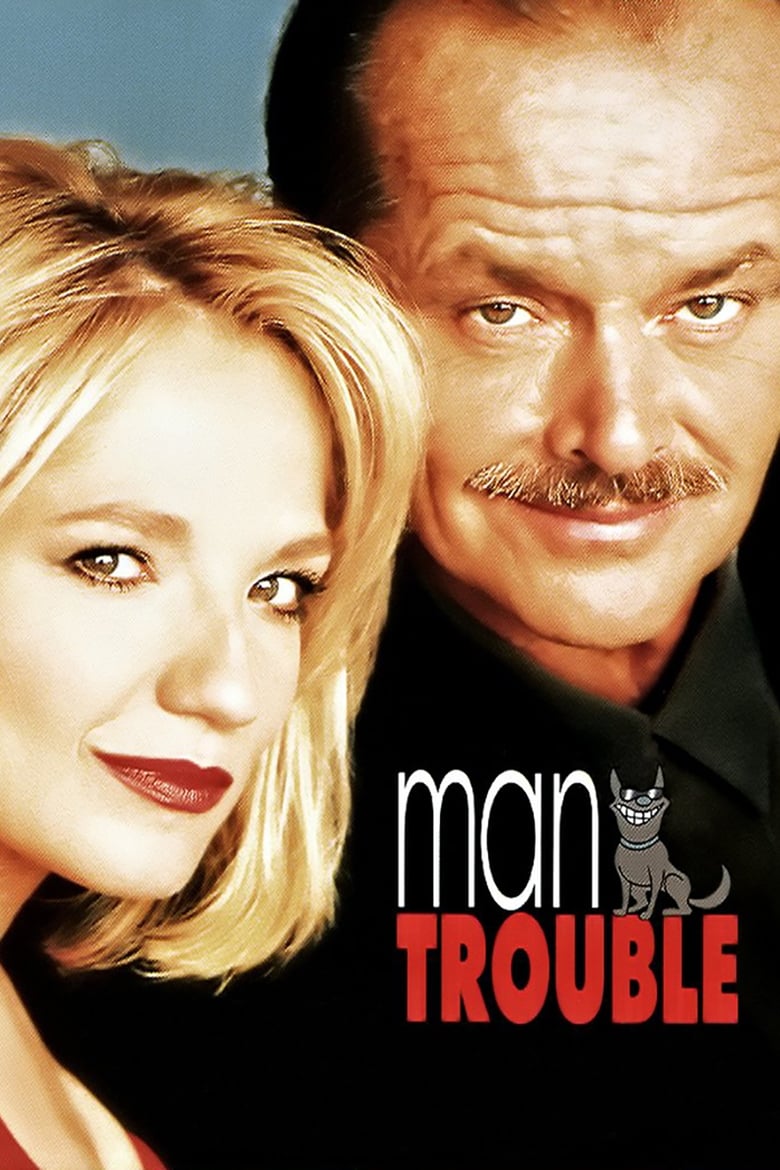
1992
PG-13Director
Bob Rafelson
Runtime
100 minutes
Average Rating
No ratings yetSynopsis
A sleazy but affable guard dog trainer is blackmailed to steal a manuscript for a tell-all book from one of his clients.
Overall Score
Limited
Category Breakdown
LGBTQ+ Representation
The film focuses on heteronormative romantic tensions between the protagonist and the female lead. There is no evidence of non-cisnormative gender identities or narratives that critique heteronormativity.
Gender Representation
The story centers on a male protagonist navigating a personal crisis. While it explores friction within romantic relationships, it does not significantly disrupt traditional gender hierarchies.
Racial & Ethnic Diversity
The rural, ranch-based setting suggests a relatively homogeneous social structure. There is no evidence of significant racial blending or a diverse cast that challenges standard demographic compositions.
Religious & Cultural Diversity
The plot follows a traditional individualistic trajectory within a standard Western socioeconomic context. It lacks an anti-capitalist or anti-Western critique, focusing instead on personal agency.
Disability Representation
There are no visible or invisible disabilities portrayed as central to the narrative or character agency.
Strengths
Areas for Improvement
AI Analysis
Man Trouble operates as a conventional character-driven comedy that adheres to the standard genre tropes of the early 1990s. The narrative focuses on individualistic struggles and traditional romantic frameworks rather than exploring broader social complexities. The film lacks intersectional depth, offering little representation of marginalized identities. Its setting and character dynamics reinforce existing social hierarchies rather than challenging them through diverse casting or systemic critique. Ultimately, the work functions as a standard exploration of identity within a traditional Western social framework, providing limited perspective beyond its central heteronormative and homogeneous cast.
2005
1991
1985

2001
2001

2012

2001

2001
1999

2014
2000

1988
No reviews yet. Be the first to share your thoughts on this movie!
Use the rating form above to leave a star rating and optional review.