Two Comrades Were Serving
1968
No user ratings available yet
Representation score: 3.7 out of 10
Representation Score
Limited
1949
Director
Vladimir Petrov
Runtime
183 minutes
Average Rating
No ratings yetNew Showbiz Analysis
The film exemplifies Socialist Realism, emphasizing the survival of the Soviet state over individual identity exploration. Its narrative structure revolves around a collective heroic ideal rather than diverse personal perspectives. While the film accurately captures the ethnic realities of the Soviet Red Army, it maintains a homogeneous view of the 'heroic collective.' It upholds traditional social hierarchies and rigid moral binaries rather than challenging them. Overall, the production aims to reinforce state ideology. It lacks the complexity needed for a higher diversity score, particularly in representing diverse identities and backgrounds.
Category Breakdown
The film adheres to an assumption that everyone is straight or cisgender. It does not include any stories or characters that challenge traditional gender identities or sexual orientations.
Women play a significant role in defending civilians, but the primary ability to act in combat is held by men. The film emphasizes traditional masculinity through male combat leadership.
The cast reflects the ethnic makeup of the mid-20th century Soviet Red Army, focusing mainly on Slavic identities. It does not intentionally blend contemporary ethnicities or use color-blind casting.
The narrative centers on state-driven morality rather than religious institutions. It frames the conflict through an anti-fascist perspective, highlighting discipline and loyalty to the state.
Characters are portrayed based on their physical utility to the war effort. There are no characters with disabilities who have significant roles or ability to act.
Present on Screen
Limited or Absent
Official Synopsis
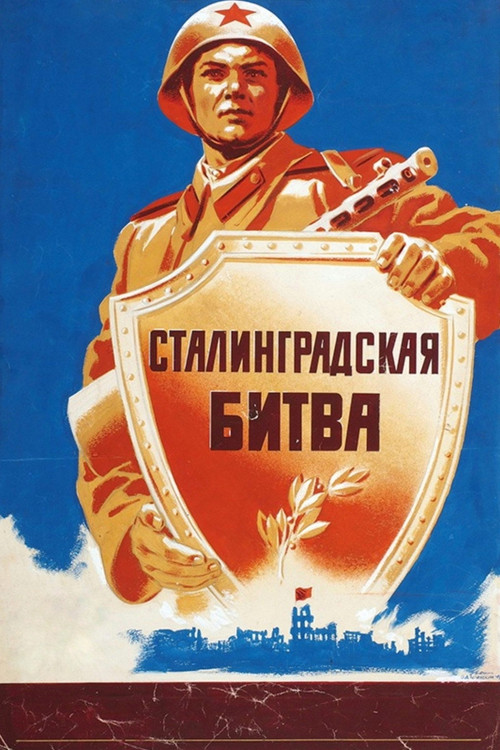
A 1949 two-part Soviet epic war film about the Battle of Stalingrad.
1968
1951
1975
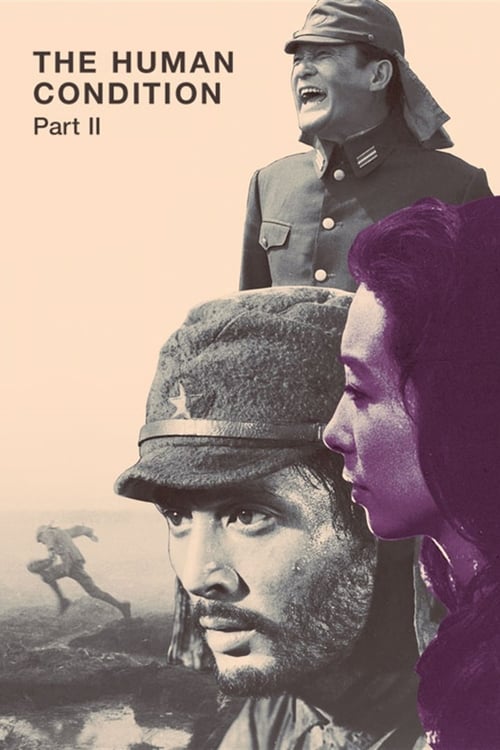
1959
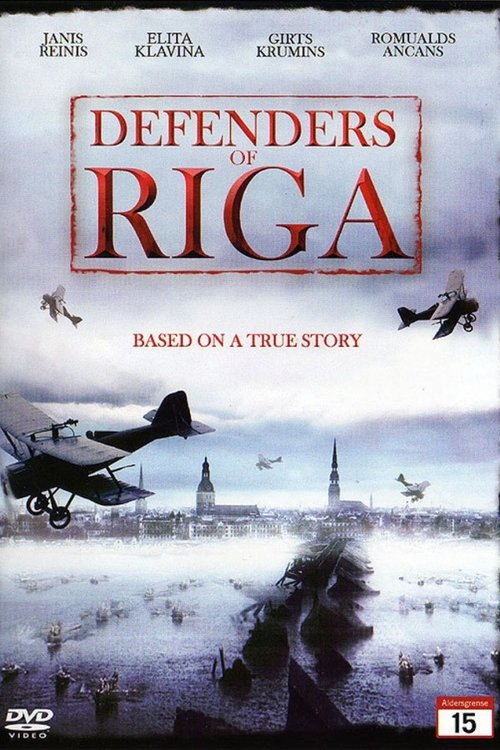
2007
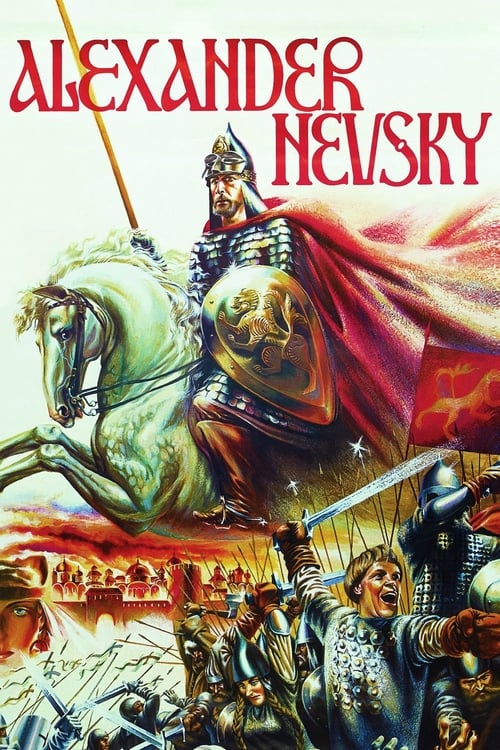
1938
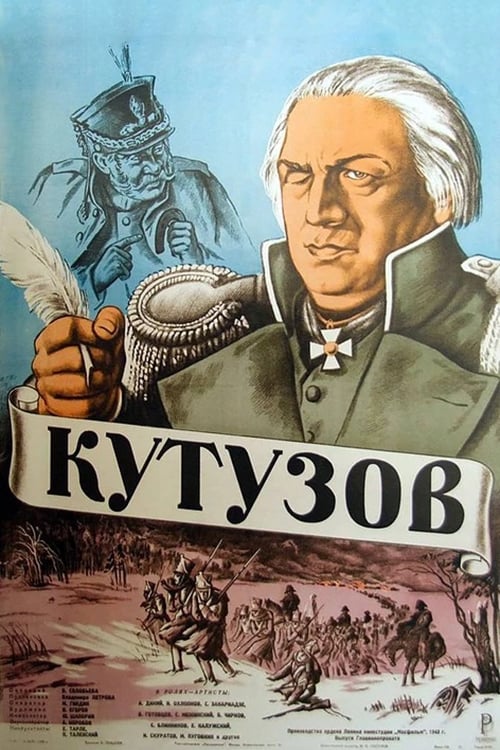
1943
1983
No reviews yet. Be the first to share your thoughts on this movie!
Use the rating form above to leave a star rating and optional review.