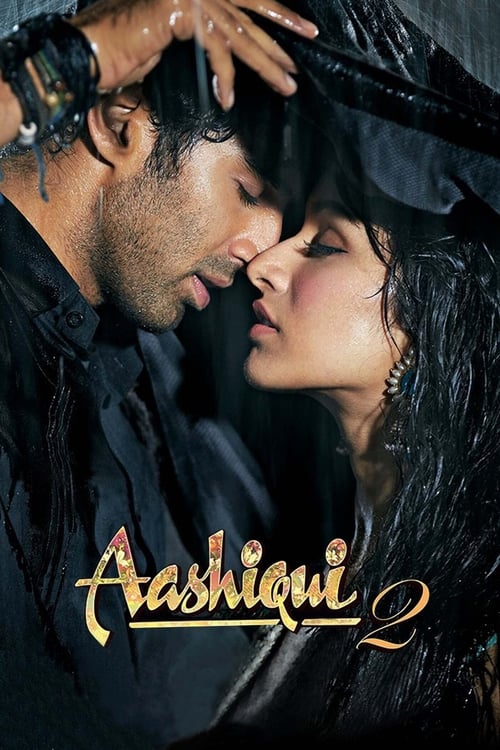
Aashiqui 2
2013
No user ratings available yet
Diversity score: 3.0 out of 10

2006
Director
Mohit Suri
Runtime
132 minutes
Average Rating
No ratings yetSynopsis
Based upon the life of actress Parveen Babi, this film describes the life of a schizophrenic actress Sana Azim, and the love of her life - Aditya Garewal.
Overall Score
Fair
Category Breakdown
LGBTQ+ Representation
The film operates within a traditional romantic framework. It focuses exclusively on a heteronormative pairing and lacks any non-cisnormative identities.
Gender Representation
The narrative disrupts hierarchies by centering on the female protagonist's psychological instability. She is portrayed through trauma rather than as a submissive or idealized feminine archetype.
Racial & Ethnic Diversity
The cast is predominantly South Asian, maintaining an authentic representation of the urban Indian experience. It avoids Western casting norms and whitewashing.
Religious & Cultural Diversity
The story engages with moral relativism by framing destructive behaviors as products of trauma. It focuses on individual psychological arcs rather than socio-political critiques.
Disability Representation
Mental health is a central focus, depicting the protagonist's struggle with psychological instability. The character is granted agency despite the risks of the tragic figure trope.
Strengths
Areas for Improvement
AI Analysis
Woh Lamhe functions as a character study that prioritizes psychological fragmentation over idealized courtship. It avoids sanitized depictions of romance, opting instead for a complex exploration of human instability. The film's strength lies in its refusal to present a traditionally stable depiction of gender and mental health. It centers on the internal struggles of its protagonist rather than conventional moralities. However, the film remains limited by its narrow focus. It lacks explicit LGBTQ+ representation and does not engage in broader socio-political or anti-capitalist critiques.
2013
1991
1989
1996

2007

2005
2001
1991

2020

2010
1959

2010
No reviews yet. Be the first to share your thoughts on this movie!
Use the rating form above to leave a star rating and optional review.