
Tragic Ceremony
1972
No user ratings available yet
Representation score: 2.9 out of 10
Representation Score
Fair
1964
Director
Jean Josipovici, Ambrogio Molteni
Runtime
90 minutes
Average Rating
No ratings yetNew Showbiz Analysis
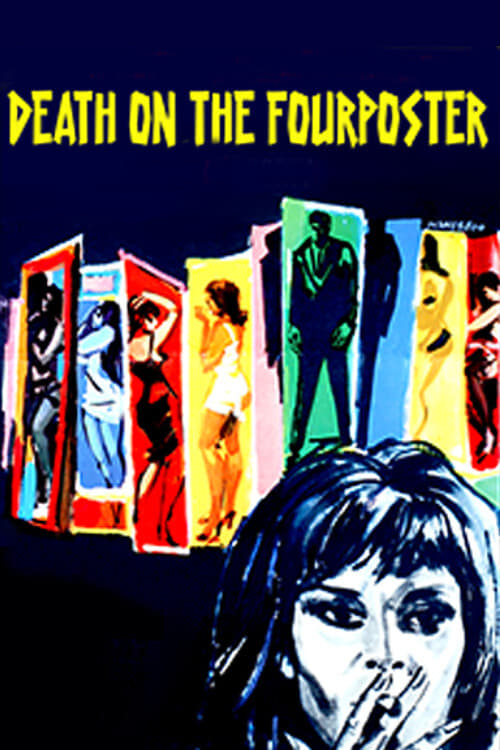
Death on the Fourposter functions as a traditional Gothic horror piece, adhering closely to the genre conventions of the 1960s. It prioritizes atmospheric tension and psychological dread over social commentary. While Riccardo's sensitive temperament offers a slight deviation from the era's typical stoic male archetype, the narrative structure remains tied to conventional hierarchies. Characters primarily serve functional roles within the mystery rather than representing diverse identities. Ultimately, the film reflects the era's standard casting and thematic limitations, focusing on individual peril rather than broader social issues.
Category Breakdown
The film does not include explicit LGBTQ+ characters or narratives. The central murder mystery focuses on a group of friends, providing limited LGBTQ+ representation.
Women are portrayed in vulnerable or domestic roles, such as the victim Serena and housekeeper Caterina. However, the sensitive nature of the male lead, Riccardo, slightly disrupts traditional masculine archetypes.
The cast appears largely homogeneous, reflecting the era's production standards. An American medium introduces a cross-cultural element, but it is unclear if this adds meaningful ethnic diversity.
The story relies on Western supernatural clichés like seances and castle settings. It operates within established mid-1960s cultural frameworks, offering no systemic or institutional critiques.
The character Aldo is described as demented, which risks using mental instability as a mere plot device. There is no evidence of nuanced portrayal or ability to act regarding neurodivergence.
Present on Screen
Limited or Absent
Official Synopsis
A group of friends decide to spend a weekend in a castle belonging to Riccardo, a moody and hyper-sensitive young artist. The only other inhabitants of the castle are a mysterious housekeeper, Caterina, and the demented Aldo. The group are joined by two friends: Serena and a young American medium, Anthony. During a seance Anthony predicts a tragedy, then leaves the castle, shocked by his own visions. An hour later, Serena is found strangled to death in bed. The others become gradually more and more diffident and suspicious, especially when another girl is murdered...
1972
1964

1962
1972
1974
1973

1977
1970
No reviews yet. Be the first to share your thoughts on this movie!
Use the rating form above to leave a star rating and optional review.