Mrs. Munck
1995
No user ratings available yet
Representation score: 4.8 out of 10
Representation Score
Fair
2001
Director
Steve Jacobs
Runtime
87 minutes
Average Rating
No ratings yetNew Showbiz Analysis
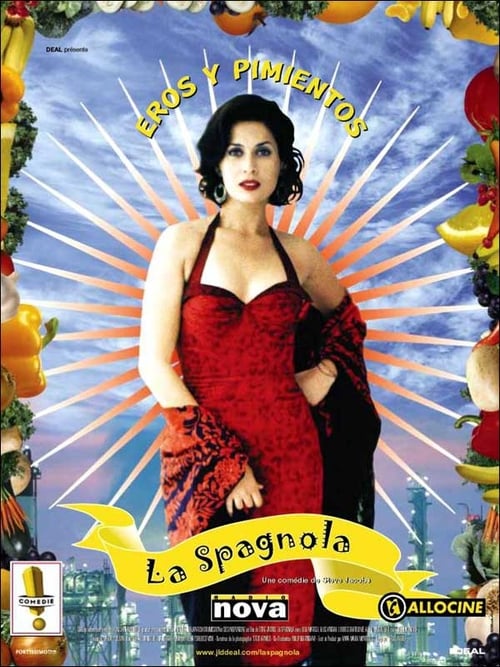
La spagnola is a character-driven exploration of displacement and survival. Its greatest strength lies in its nuanced approach to ethnicity, moving away from mainstream Anglo-centric storytelling to highlight the immigrant experience. The film challenges traditional gender roles by centering women's ability to drive the story and autonomy. Lola’s quest for survival disrupts the 'suffering wife' cliché, while Lucia represents a generational shift toward independence. However, the film remains limited by its adherence to traditional heterosexual relationships. The lack of LGBTQ+ representation and the absence of disability narratives prevent a more comprehensive diversity profile.
Category Breakdown
The film centers on traditional marriage and family bonds, focusing on heterosexual relationships and lacking representations of non-cisgender identities or queer critiques.
Lola is portrayed as a pragmatic survivor rather than a passive victim of abandonment. Lucia further challenges traditional gender roles by seeking an identity independent of her parents.
The story excels by centering Spanish and Jewish immigrants in 1910s New York, avoiding Anglo-centric clichés and highlighting the immigrant experience and cultural integration.
Jewish and Spanish traditions are woven into the characters' daily lives. The narrative also critiques the indifferent bureaucratic systems governing immigration and state mechanisms.
There are no prominent depictions of visible or invisible disabilities that serve as central narrative drivers.
Present on Screen
Limited or Absent
Official Synopsis
Lola, a hot-blooded Spaniard, is deserted by her husband for a cool and calculating Aussie blonde. Lola is pregnant again but she and their daughter Lucia are left to starve while Ricardo spends all their savings on a sleek new set of wheels for his mistress. When he dies unexpectedly the family fortune, one flash car, remains with the mistress. Despite all his betrayals, Lucia sides with her father. Desperate and destitute in a country she doesn't like or understand, Lola's quest for revenge begins. Caught in the tempests of begrudging love, revenge, sibling rivalry, jealousy and passion, fourteen year old Lucia must find the strength to survive on her own terms. Aided to break free of her mother by her eccentric Aunt Manolo she struggles to find her own identity and her own quest for justice puts her on a collision course with her mother.
1995

2002

2015
1991
1996
2003
1978
2009
No reviews yet. Be the first to share your thoughts on this movie!
Use the rating form above to leave a star rating and optional review.