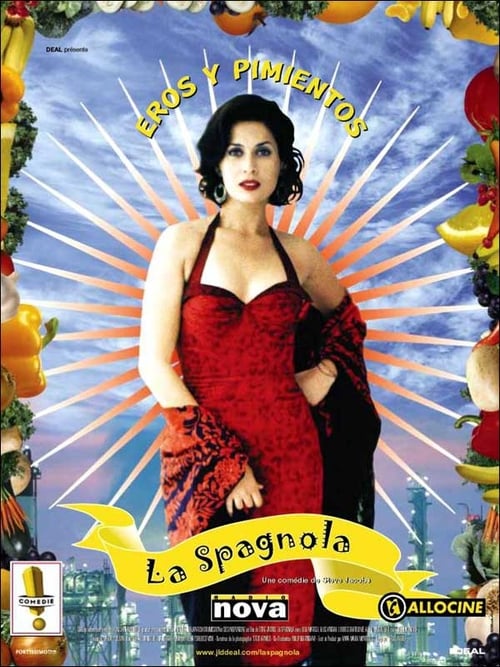
La spagnola
2001
No user ratings available yet
Representation score: 5.4 out of 10
Representation Score
Fair
1995
RDirector
Diane Ladd
Runtime
96 minutes
Average Rating
No ratings yetNew Showbiz Analysis
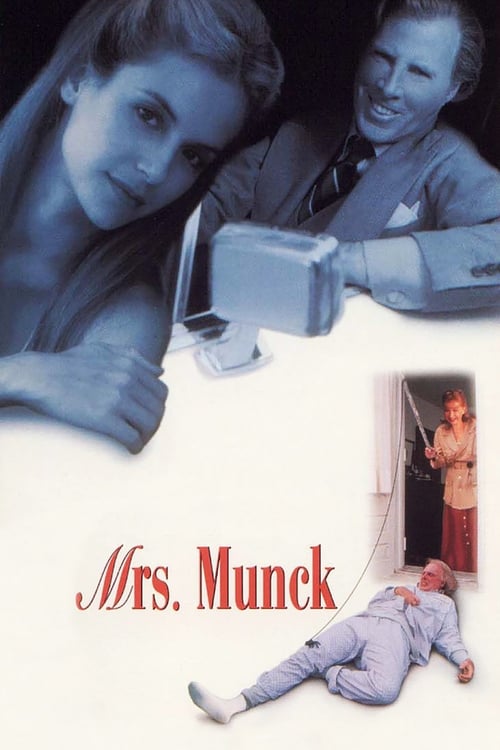
Mrs. Munck is a character study centered on proactive ability to act and moral ambiguity. By positioning the female lead as a driver of the story rather than a passive victim, the film successfully challenges traditional patriarchal hierarchies. The film lacks diversity in other areas. It does not feature LGBTQ+ characters or narratives, and the cast appears homogeneous, reflecting the typical racial makeup of 1990s independent cinema. The narrative focuses narrowly on a specific, non-diverse social structure. While the inclusion of a character with a physical disability adds complexity to the interpersonal conflict, there is a risk that the portrayal uses disability primarily as a plot device for the protagonist's revenge arc.
Category Breakdown
The film does not include any LGBTQ+ characters or stories focusing on non-assuming gender matches what was assigned at birth identities. The main conflict revolves around a traditional heterosexual family dynamic.
The film challenges the passive widow stereotype by placing a female protagonist at the center. She drives the plot by actively confronting a patriarchal figure.
The cast seems to follow the typical demographics of mid-90s independent dramas, showing no signs of diversity or non-Anglo-Saxon representation.
The film delves into personal morality and situational ethics rather than religious frameworks. It emphasizes individual justice and personal grievances over traditional moral teachings.
A character with a physical disability, specifically a wheelchair user, plays a central role. However, his disability might primarily serve as a trigger for the protagonist's revenge plot.
Present on Screen
Limited or Absent
Official Synopsis
A wronged woman takes revenge on her wheelchair bound father-in-law.
2001

1991
1996
1990
2003
1970

2014
2020
No reviews yet. Be the first to share your thoughts on this movie!
Use the rating form above to leave a star rating and optional review.