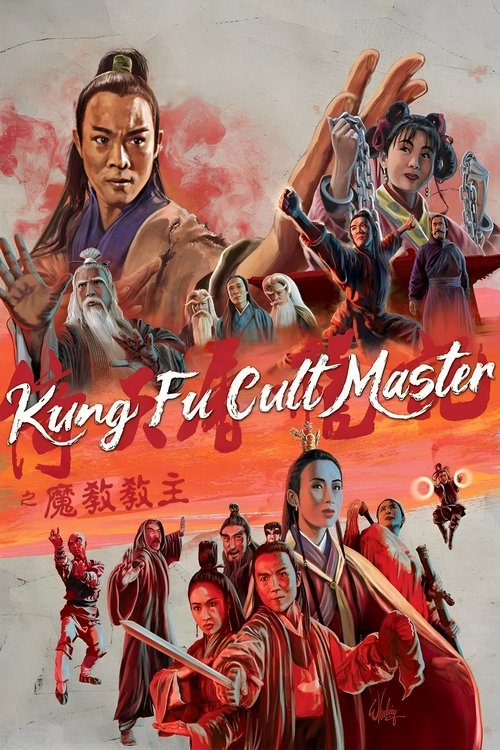
Kung Fu Cult Master
1993
No user ratings available yet
Representation score: 3.3 out of 10
Representation Score
Minimal
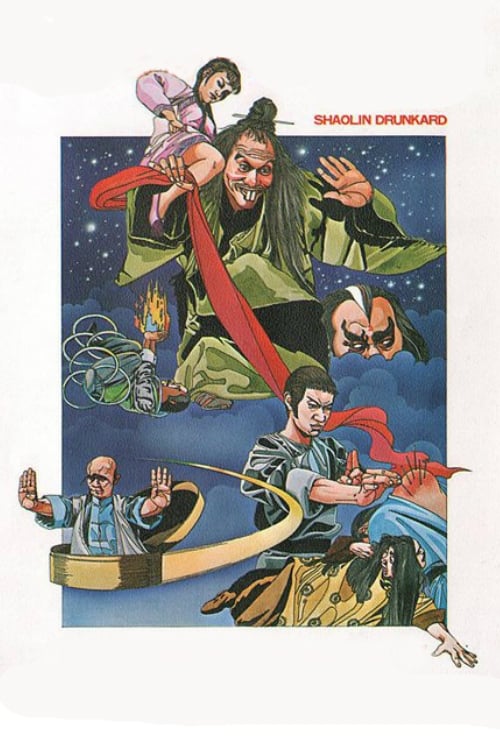
1983
Director
Yuen Woo-ping
Runtime
92 minutes
Average Rating
No ratings yetNew Showbiz Analysis
Shaolin Drunkard is a quintessential genre piece that prioritizes classical martial arts clichés and historical authenticity over modern multi-layered narratives. The film's structure is built upon established hierarchies of masculinity and traditional religious structures. While the film offers a cohesive and culturally specific experience, it does not actively engage in challenging social or identity-based norms. It functions primarily as a celebration of established genre archetypes. The production remains firmly rooted in the conventions of 1980s Hong Kong action cinema, focusing on male camaraderie and traditional monastic values.
Category Breakdown
The film adheres to a traditional masculine framework typical of 1980s Hong Kong action cinema. It focuses on male-centric martial arts training and brotherhood without addressing non-straight or non-cisgender identities.
The narrative emphasizes male protagonists and the mastery of masculine combat styles. Female characters appear but play secondary roles that do not challenge traditional gender hierarchies.
The production features a predominantly ethnically Chinese cast, offering culturally authentic representation of its setting. It avoids whitewashing or external racial imposition, staying true to its historical and genre context.
The film is deeply rooted in Shaolin Buddhist monasticism and folklore, celebrating traditional spiritual frameworks. It highlights values like discipline and honor without deconstructing religious or monastic authority.
There is no representation of physical or neurodivergent disabilities. The 'drunken' combat style is used as a specialized technique rather than depicting actual impairment.
Present on Screen
Limited or Absent
Official Synopsis
A half man, half demon is guarded by a drunken Shaolin magician named Chan. One day, Chan sneaks out to go on a drinking splurge, and the man/demon escapes. Chan and his friend Ah Yuen work to capture the evil magician and return him back to Shaolin before it's too late.
1993

1980
1984
1994
1979
1993

1979
1988
No reviews yet. Be the first to share your thoughts on this movie!
Use the rating form above to leave a star rating and optional review.