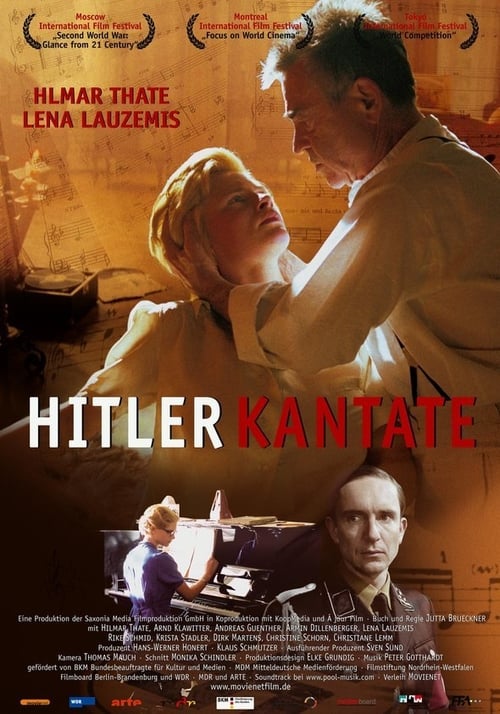
Hitlerkantate
2005
No user ratings available yet
Representation score: 5.2 out of 10
Representation Score
Limited
2015
TV-MADirector
Wolfgang Murnberger
Runtime
90 minutes
Average Rating
No ratings yetNew Showbiz Analysis
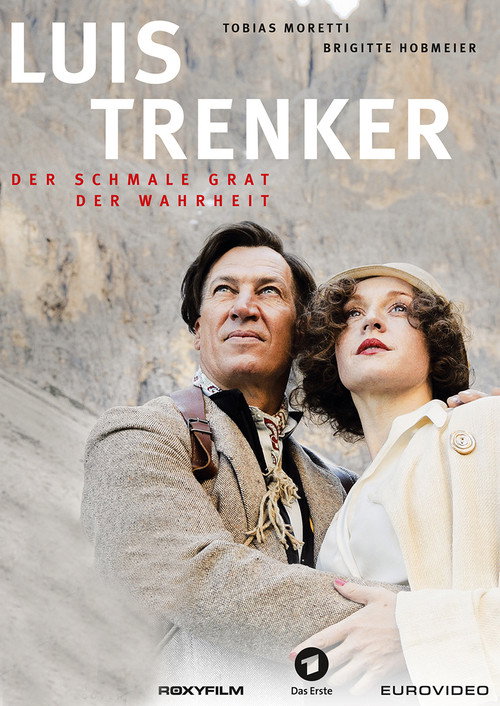
Wolfgang Murnberger’s drama functions as a historical meta-drama that prioritizes psychological nuance over broad demographic representation. By using a fragmented structure of flashbacks, the film deconstructs how personal ambition and political myth-making intersect. It shifts the focus from a traditional biography to the transactional nature of historical truth. The film excels at challenging biographical clichés, offering a critique of how power and reputation are used. While it provides a significant role in driving the story to female characters, it remains limited by its specific historical context. Ultimately, the work is a sophisticated inquiry into the subjectivity of truth. It lacks significant racial or LGBTQ+ visibility, focusing instead on the moral complexities of post-war European history.
Category Breakdown
The film examines complex interpersonal relationships and historical contexts, but it focuses on legal and social implications rather than explicitly exploring LGBTQ+ identities.
Female figures like Leni Riefenstahl play central roles in high-stakes negotiations and are not sidelined. They are portrayed as key actors rather than peripheral characters.
The setting reflects the homogeneous demographic realities of post-war Europe. There is little to no visible racial or ethnic diversity in this period drama.
The narrative deconstructs historical truth and the corruption of institutional memory. It questions the integrity of Western institutions through a lens of moral relativism.
There is no discernible evidence regarding the portrayal of physical or neurodivergent disabilities within the film's narrative.
Present on Screen
Limited or Absent
Official Synopsis
Luis Trenker - South Tyrolean mountaineering legend, actor and director - traveled to the Venice Film Festival in the summer of 1948. He wants to offer Eva Braun's diaries to the American Hollywood agent Paul Kohner for filming. At the same time, the authenticity of these diaries is negotiated before the Munich district court. The director Leni Riefenstahl, ex-lover of Trenker, feels disgraced by the implication that she was Hitler's lover. The story is told in flashbacks of two opportunists who, possessed by the will for artistic success, instrumentalize themselves ...
2005
1981
2016
2009
2005
1982
1997
1951
No reviews yet. Be the first to share your thoughts on this movie!
Use the rating form above to leave a star rating and optional review.