In Bad Taste
1999
No user ratings available yet
Representation score: 6.7 out of 10
Representation Score
Good
1985
Director
Vito Zagarrio
Runtime
110 minutes
Average Rating
No ratings yetNew Showbiz Analysis
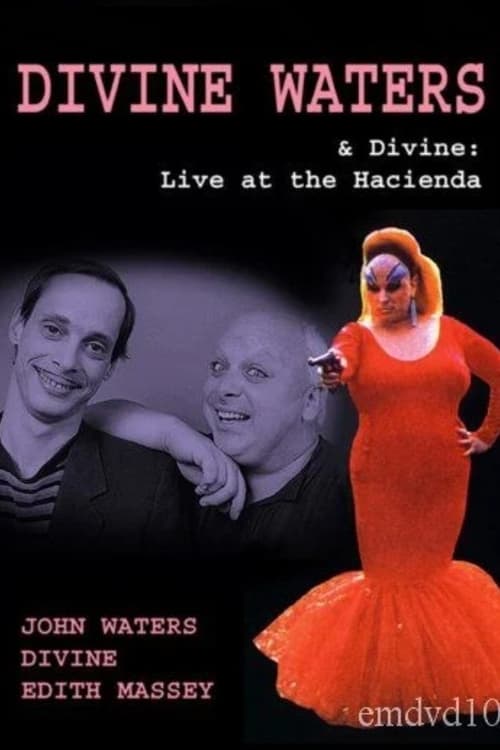
Divine Waters celebrates subversive icons like John Waters and Divine, validating identities and aesthetics that exist outside the mainstream cultural consensus. It uses the 'trash' film movement to critique capitalist notions of prestige, framing unconventional lifestyles as a form of liberation from social norms. The documentary's strength lies in its cultural rebellion, yet it lacks visible racial diversity and does not provide clear information regarding disability representation. While it disrupts gender and sexual norms, its scope remains centered on a specific, niche subculture.
Category Breakdown
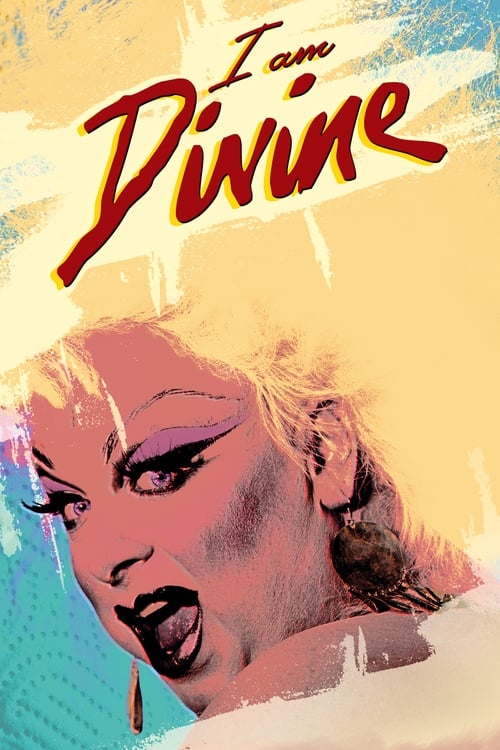
The documentary highlights Divine, a figure who challenges traditional standards of beauty by embracing queer aesthetics. It offers a platform for non-traditional gender expressions, celebrating unique identities.
Edith Massey’s musical performances break down traditional gender roles through camp culture. The film presents a fluid and parodic portrayal of gender roles, challenging conventional expectations.
The film focuses on a specific subculture of American independent cinema. There is no explicit evidence of a diverse racial cast within the provided overview.
The film rejects traditional Western institutions and social norms, celebrating an anti-establishment aesthetic. It portrays conventional standards as restrictive and advocates for freedom from societal constraints.
The film explores unconventional physical presentations through performance but does not provide clear evidence of representing neurodivergence or specific disabilities.
Present on Screen
Limited or Absent
Official Synopsis
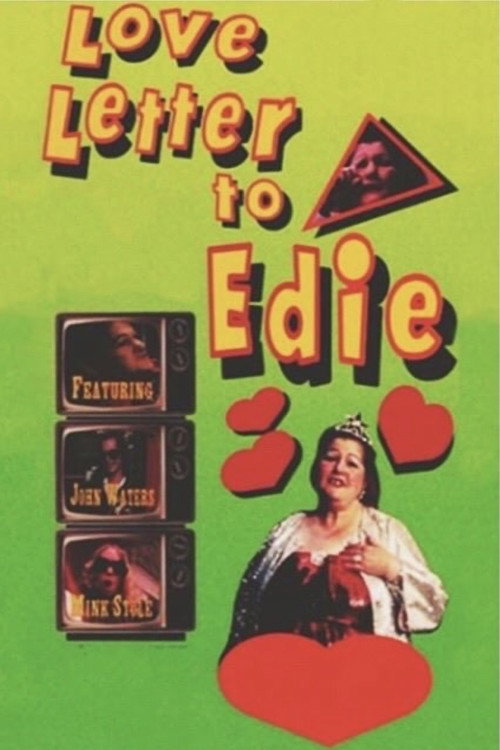
This documentary focuses on the careers of influential partners in trash film, John Waters and Divine. The film includes interviews with Waters' parents and sister, actress Edith Massey sings two songs (Punks, Get off the Grass and Fever), as well as a live performance of Divine performing his song Born to be Cheap.
1999
2019
2000

2007
1975
2005
2004
2014
No reviews yet. Be the first to share your thoughts on this movie!
Use the rating form above to leave a star rating and optional review.