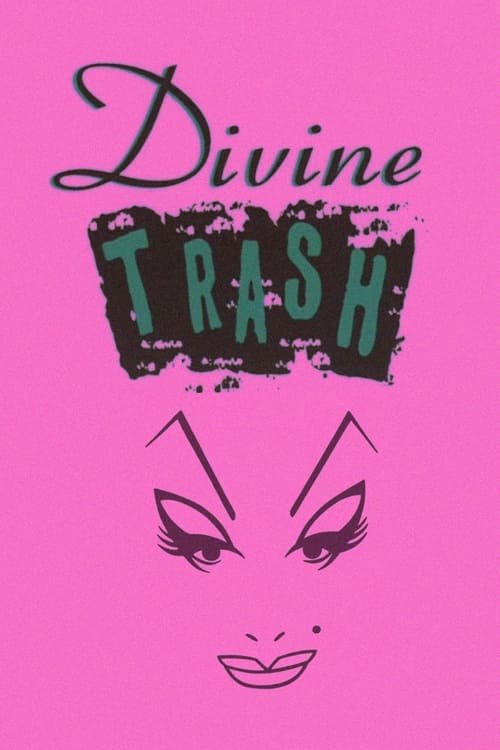
Divine Trash
2000
No user ratings available yet
Representation score: 9.1 out of 10
Representation Score
Good
2005
Director
Mark Rance
Runtime
48 minutes
Average Rating
No ratings yetNew Showbiz Analysis
This documentary serves as a deep dive into the subversive methodology of John Waters. By focusing on the production of *Cry-Baby*, it centers on themes of non-conformity and the celebration of outsider identities. The film's strength lies in its cultural and queer-coded analysis, using camp to challenge mainstream social hierarchies. It provides a strong look at how stylistic choices can disrupt traditional expectations. However, the scope is somewhat narrow. The narrative prioritizes Waters' specific aesthetic rebellion over broader representations of diverse racial backgrounds or deep explorations of individual gender ability to act.
Category Breakdown
The film explores queer sensibilities and non-conformity through John Waters' creative process. It highlights how camp aesthetics are used to critique traditional social structures.
The documentary examines the subversion of traditional gender roles and exaggerated performances. However, individual women's ability to drive the story remains secondary to the discussion of Waters' directorial vision.
The focus remains on the specific cultural milieu of Baltimore and aesthetic rebellion. It lacks a broad spectrum of diverse racial representation.
The film excels at depicting anti-establishment sentiment and outsider lifestyles. It celebrates the deconstruction of social norms and traditional middle-class values.
There is no visible or invisible disability representation present in this documentary.
Present on Screen
Limited or Absent
Official Synopsis
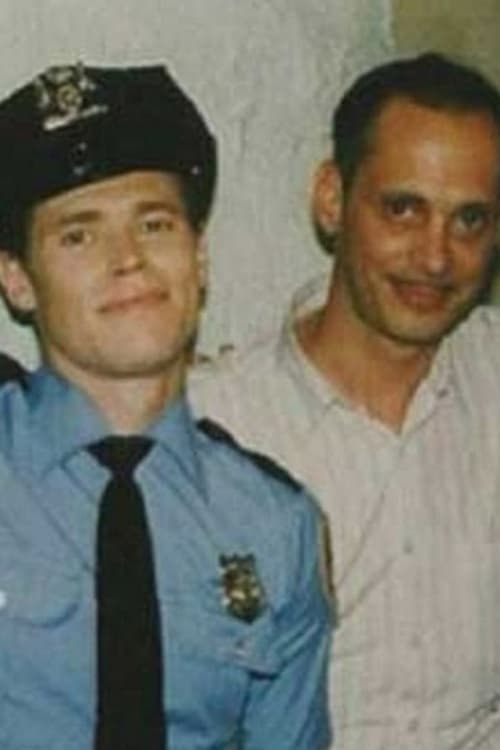
Documentary about the making of John Waters' 1990 film Cry-Baby.
2000
1978
1999
2005
1985
2000
2002
2005
No reviews yet. Be the first to share your thoughts on this movie!
Use the rating form above to leave a star rating and optional review.