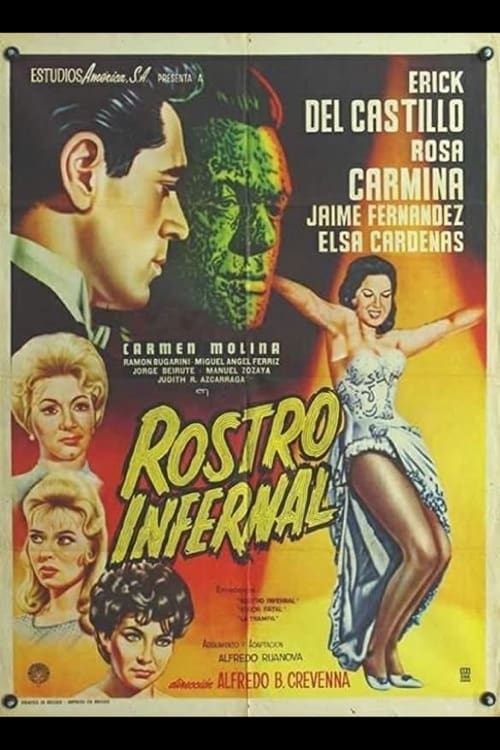
The Incredible Face of Dr. B.
1963
No user ratings available yet
Diversity score: 3.1 out of 10

1940
ApprovedDirector
Richard C. Kahn
Runtime
70 minutes
Average Rating
No ratings yetSynopsis
A newlywed couple is visited by a strange old woman who harbors a secret about the young girl's father.
Overall Score
Good
Category Breakdown
LGBTQ+ Representation
Dr. Jackson’s romantic interest in Eleanor provides a rare subversion of heteronormative expectations for 1940. This subtextual framing offers a non-traditional romantic element within early genre cinema.
Gender Representation
The film centers on female agency, portraying Dr. Jackson as a professional with significant autonomy. These characters drive the mystery rather than serving as passive figures.
Racial & Ethnic Diversity
As the first science fiction horror film with an all-Black cast, this work is a historical landmark. Characters like Detective Nelson hold positions of professional authority.
Religious & Cultural Diversity
The narrative explores complex power dynamics and themes of greed. However, the use of a missing link monster introduces colonial-era tropes that complicate its social critique.
Disability Representation
There is no documented evidence regarding the portrayal of physical or neurodivergent disabilities in this film.
Strengths
Areas for Improvement
AI Analysis
Son of Ingagi is a landmark production that fundamentally disrupts the racial hierarchies of the 1940s Hollywood studio system. By utilizing an all-Black cast in a genre typically dominated by white protagonists, the film grants unprecedented agency to its performers. The narrative also challenges contemporary social norms through its depiction of female professional authority and non-heteronormative romantic subtext. Dr. Jackson serves as a central figure of power, controlling both her wealth and a supernatural entity. While the film achieves significant breakthroughs in racial and gender representation, it remains tethered to certain colonial-era tropes. These elements prevent a complete critique of the systemic power structures present in the era's storytelling.
1963

2010
1955
1954
1961
1958
1959
1954
1972
1957
1959
1958
No reviews yet. Be the first to share your thoughts on this movie!
Use the rating form above to leave a star rating and optional review.