The Discipline of D.E.
1982
No user ratings available yet
Representation score: 5.9 out of 10
Representation Score
Fair
1959
Director
Robert Frank, Alfred Leslie
Runtime
26 minutes
Average Rating
No ratings yetNew Showbiz Analysis
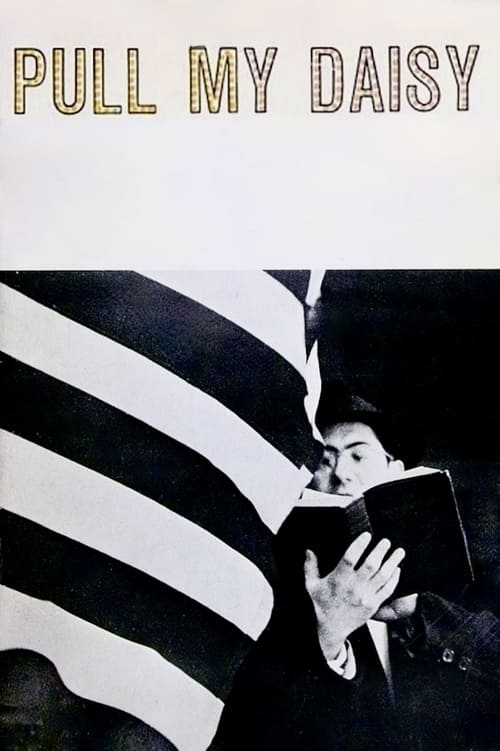
Pull My Daisy serves as a formalist experiment in cinéma vérité, prioritizing the textures of bohemian life over traditional narrative structures. Its progressive value lies in its challenge to 1950s social institutions and mainstream storytelling norms. While the film lacks demographic breadth, particularly regarding LGBTQ+ and racial representation, it succeeds in dismantling the era's rigid social hierarchies. It favors individual expression and secularism over the structured order of mid-century society. Ultimately, the film offers a localized study of a specific subculture. It trades broad inclusivity for a deep, improvisational look at a lifestyle that rejects societal conformity.
Category Breakdown
The film does not explicitly depict non-straight relationships or same-sex intimacy. Although the Beat subculture historically challenged traditional sexual norms, the focus remains on fleeting character interactions rather than on queer narratives.
The narrative disrupts mid-century romantic expectations by presenting casual, equal interactions. It avoids traditional courtship rituals in favor of a shared, bohemian spontaneity that sidesteps rigid gender roles.
The film features a homogeneous cast reflecting a specific late-1950s urban bohemian scene. It does not actively engage with racial diversity or diverse casting.
The film excels in depicting a secular, artistic existence over institutionalized religion. By having bohemians disrupt a formal dinner with a bishop, it critiques traditional social decorum and religious sanctity.
There is no evidence of characters with visible or invisible disabilities being used as plot devices or central figures.
Present on Screen
Limited or Absent
Official Synopsis
Based on an incident in the life of Beat icon Neal Cassady and his wife, the painter Carolyn, the film tells the story of a railway brakeman whose wife invites a respected bishop over for dinner. However, the brakeman's Bohemian friends crash the party, with comic results. Pull My Daisy is a film that typifies the Beat Generation. Directed by Robert Frank and Alfred Leslie, Daisy was adapted by Jack Kerouac from the third act of his play, Beat Generation; Kerouac also provided improvised narration.
1982
2010
1983

2013
1986
2012

1985

1976
No reviews yet. Be the first to share your thoughts on this movie!
Use the rating form above to leave a star rating and optional review.