Free Style
2008
No user ratings available yet
Representation score: 0.9 out of 10
Representation Score
Minimal
1986
PGDirector
Hal Needham
Runtime
93 minutes
Average Rating
No ratings yetNew Showbiz Analysis
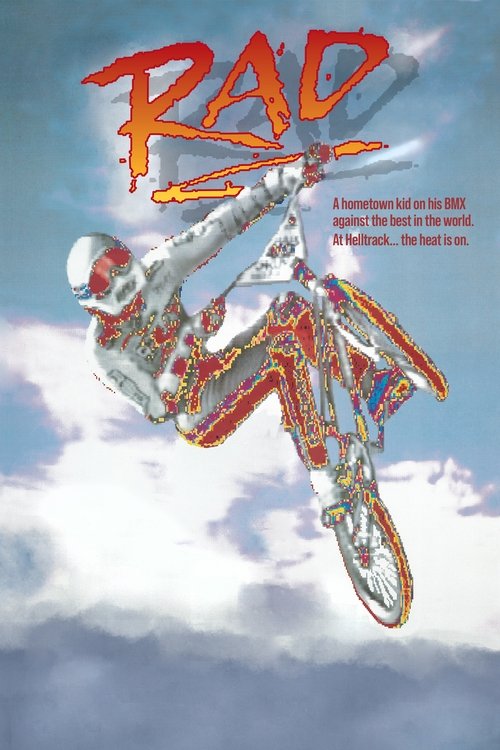
Rad is a period-specific sports drama that emphasizes the raw energy of motocross culture over social commentary. The narrative revolves around the conflict between youthful enthusiasm and societal expectations, such as choosing between racing and attending college. While the film celebrates the autonomy of young individuals, it lacks the complexity needed to explore multiple layers of identity. Instead, it serves as a celebration of a specific subculture from the 1980s, adhering closely to the cultural norms of that time.
Category Breakdown
The film adheres to a traditional focus on straight relationships and does not include any characters with non-binary gender identities or same-sex romantic relationships.
The story centers around a male-dominated peer group where female characters play secondary roles within the main action-driven storyline.
The cast predominantly features characters from a similar demographic, reflecting the Southern California setting without showcasing a variety of ethnic backgrounds.
The plot examines the tension between personal ambition and institutional authority, presented as a typical coming-of-age story rather than a deeper cultural critique.
Disabilities, both visible and invisible, are not represented in the character arcs and are not used as significant narrative elements.
Present on Screen
Limited or Absent
Official Synopsis
A BMX racer, who lives in a small town with his mother and sister, is faced with a tough decision, qualify for Helltrack or take his SATs in order to attend college.
2008

1998
2004
1980
2008
1985
2003
1986
No reviews yet. Be the first to share your thoughts on this movie!
Use the rating form above to leave a star rating and optional review.