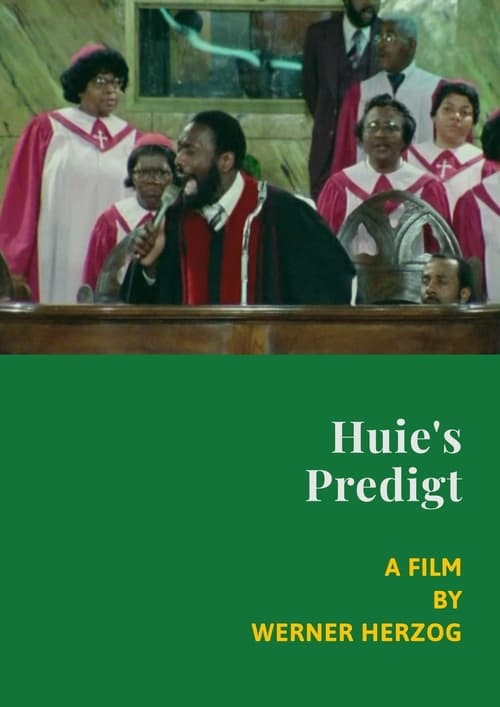
Huie's Sermon
1983
No user ratings available yet
Representation score: 3.9 out of 10
Representation Score
Limited
1983
Director
Werner Herzog
Runtime
46 minutes
Average Rating
No ratings yetNew Showbiz Analysis
Werner Herzog’s documentary serves as a critical examination of institutional authority rather than a study of demographic diversity. It uses the eccentric behavior of a non-conformist figure to challenge the traditional social order. Although the film lacks traditional identity-based representation, it excels in its narrative complexity by questioning the integrity of religious and capitalist structures. It presents the subject as a disruptive force within a fragmented system. Ultimately, the film successfully critiques Western spiritual leadership while remaining narrow in its demographic focus.
Category Breakdown
The film does not include any characters or narratives related to LGBTQ+ identities. It focuses solely on the religious and financial aspects of a televangelism circuit.
The movie centers around a male leader archetype and explores power dynamics within the industry. However, it does not provide much insight into women's ability to drive the story or challenge traditional gender roles.
The film seems to focus on a specific American religious subculture. There is no indication of a diverse cast, suggesting a lack of multi-ethnic representation.
The documentary critically examines the intersection of religion and capitalism, presenting a disruptive view of spiritual leadership. It highlights the transactional and confrontational nature of the subject's interactions.
There is no documented evidence of neurodivergence or physical disabilities being portrayed in this work.
Present on Screen
Limited or Absent
Official Synopsis
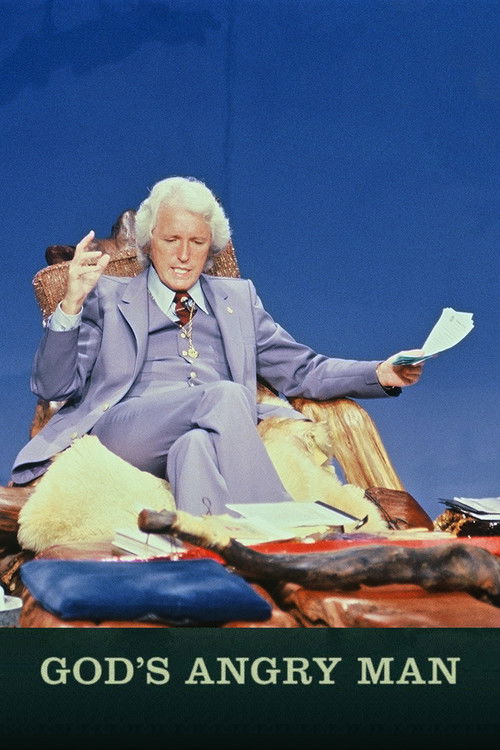
The documentary follows Gene Scott, famous televangelist involved with constant fights against FCC, who tried to shut down his TV show during the 1970s and '80s, and even argues with his viewers, complaining about their lack of support by not sending enough money to keep going with the show.
1983

2016
2011
2016
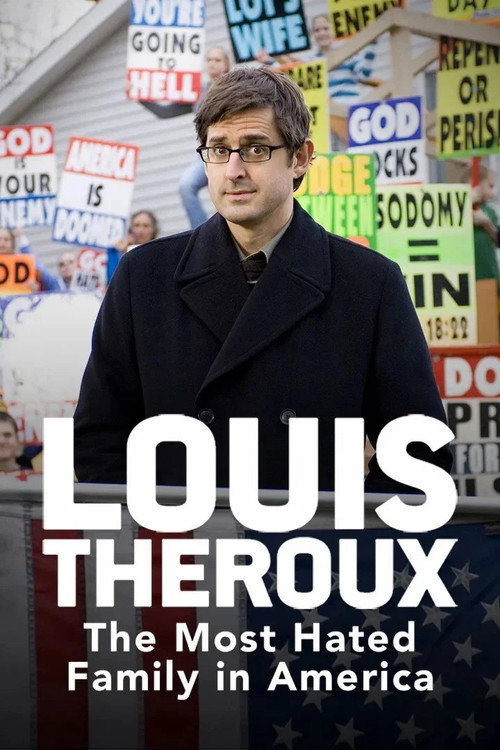
2007
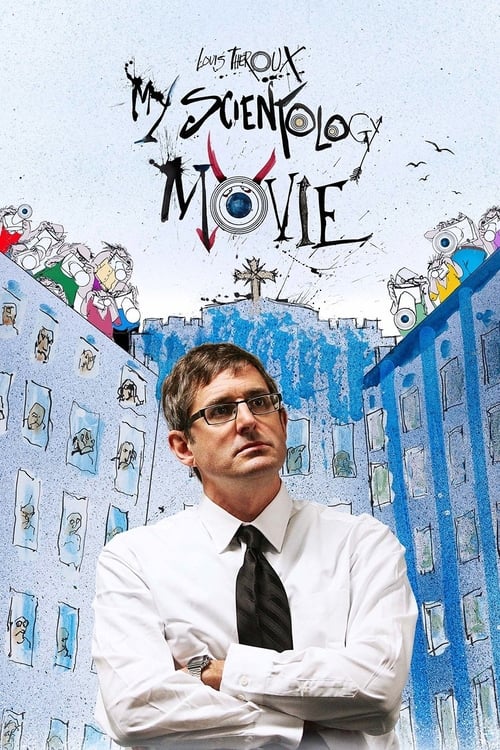
2016
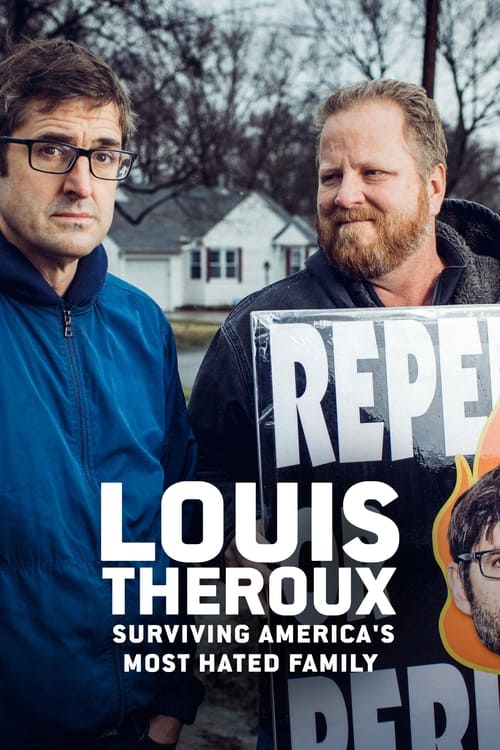
2019
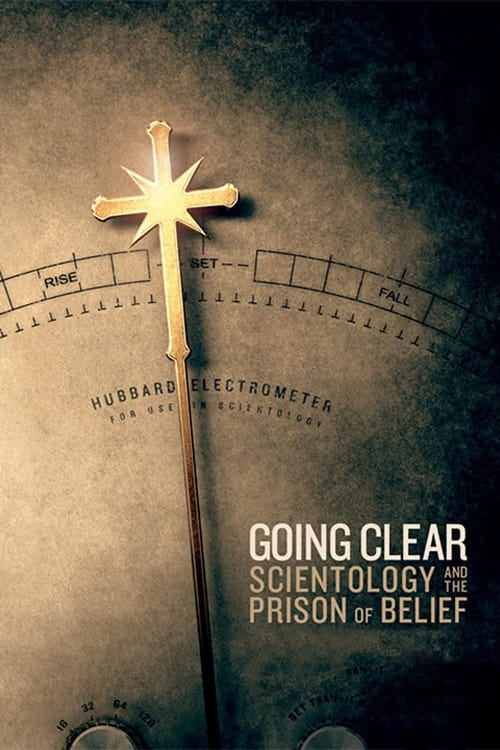
2015
No reviews yet. Be the first to share your thoughts on this movie!
Use the rating form above to leave a star rating and optional review.