Bobby Kennedy: In His Own Words
1990
No user ratings available yet
Representation score: 3.9 out of 10
Representation Score
Limited
1985
Not RatedDirector
Ken Burns
Runtime
88 minutes
Average Rating
No ratings yetNew Showbiz Analysis
Ken Burns' documentary examines the power dynamics in early 20th-century America, deconstructing socioeconomic divides and political corruption through a populist lens. However, the film is constrained by the historical period it depicts, showing minimal representation of women and LGBTQ+ individuals, who were bound by patriarchal and straight-centered structures. While the racial landscape is addressed, the narrative centers on the white electorate rather than underrepresented voices.
Category Breakdown
The film focuses on the 1930s and does not include any LGBTQ+ characters or narratives.
Women are portrayed within traditional social roles, such as Rose Long, and the documentary highlights the patriarchal structure of Louisiana politics without challenging gender hierarchies.
The film presents a detailed look at the Jim Crow South, acknowledging the systemic racial segregation and the presence of Black citizens, even though it primarily focuses on the white electorate.
The documentary effectively critiques capitalist hierarchies and highlights the conflict between populist movements and corrupt economic systems.
There is no significant focus on disabilities within the historical context and archival footage.
Present on Screen
Limited or Absent
Official Synopsis
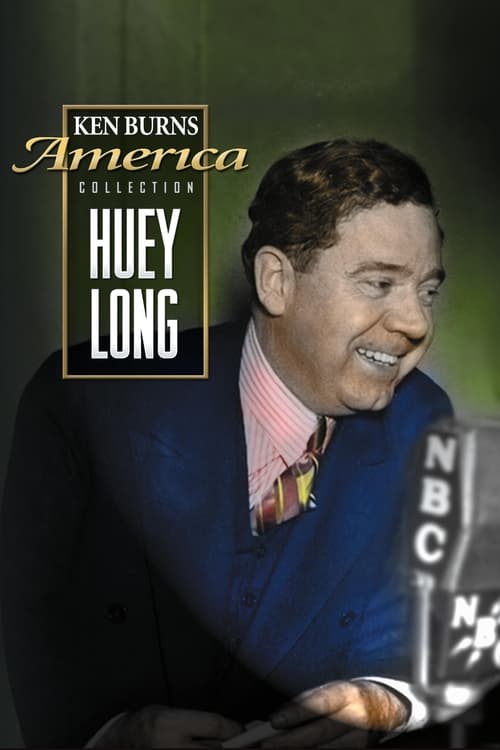
Ken Burns' portrait of Louisiana governor and U.S. senator Huey Long.
1990
1984

1989
2012
2014
2018
2009
2019
No reviews yet. Be the first to share your thoughts on this movie!
Use the rating form above to leave a star rating and optional review.