Lemebel
2019
No user ratings available yet
Representation score: 7.2 out of 10
Representation Score
Good
2009
Director
Raphael Alvarez, Tatiana Issa
Runtime
110 minutes
Average Rating
No ratings yetNew Showbiz Analysis
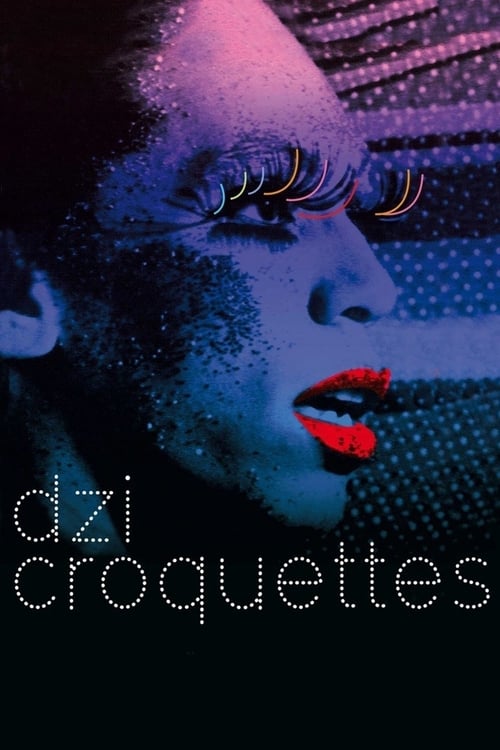
Dzi Croquettes is a powerful look at how queer performance art can fight political oppression. By documenting a Brazilian troupe that used humor and irony to confront a dictatorship, the film elevates identity politics to a level of systemic resistance. The documentary succeeds in centering a non-Western perspective, moving the conversation of queer history beyond Anglo-Saxon narratives. It effectively shows how subverting gender hierarchies can challenge the foundations of a patriarchal state. While the film excels in its core themes of sexuality and gender subversion, it offers less visibility regarding racial and disability representation. However, its focus on cultural empowerment remains a significant achievement.
Category Breakdown
The documentary focuses on a queer troupe that uses their identity to make political statements. It shows how non-straight identities can lead to major cultural changes and challenge oppressive systems.
The performers challenge traditional masculinity through humor, irony, and camp. The film highlights how the troupe disrupted rigid, patriarchal norms of the 1970s with fluid, performative dance and theater.
The film provides important visibility into South American queer history. It centers a non-Western movement, contributing to a more global understanding of identity and performance.
The narrative portrays resistance against a violent dictatorship as a form of cultural empowerment. It uses art to break down state oppression and reclaim ability to act through non-conformist social behaviors.
There is no evidence regarding the portrayal of physical or neurodivergent disabilities within the film.
Present on Screen
Limited or Absent
Official Synopsis
A Brazilian theatre group that through talent, irony and humour confronted the Brazilian violent dictatorship in the 1970s revolutionising the gay movement worldwide and changing theatre and dance language to an entire generation.
2019
1984
2016
2019

2019
2010
2016
2014
No reviews yet. Be the first to share your thoughts on this movie!
Use the rating form above to leave a star rating and optional review.