Anna
1975
No user ratings available yet
Representation score: 7.7 out of 10
Representation Score
Excellent
1971
Director
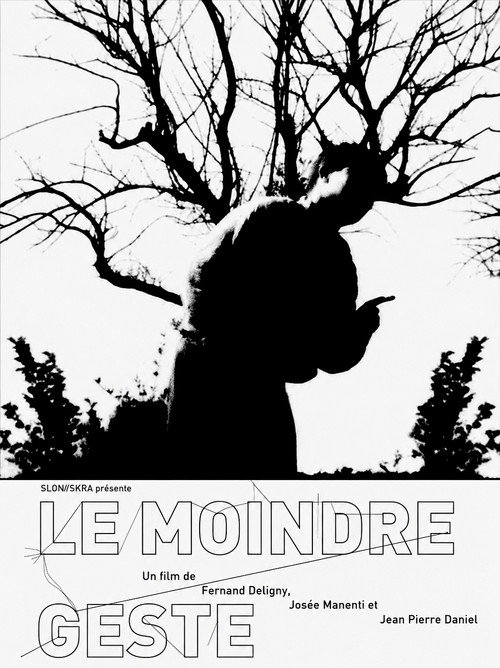
Jean-Pierre Daniel, Fernand Deligny, Josée Manenti
Runtime
105 minutes
Average Rating
No ratings yetNew Showbiz Analysis
The film is a sophisticated work of cinematic subversion that prioritizes the perspectives of those existing outside societal norms. Its intellectual foundation, rooted in Fernand Deligny’s work on neurodivergence, allows for a deep, non-linear exploration of human experience. While the film lacks broad demographic variety, it excels in its structural approach to identity. It successfully deconstructs the authority of institutions and the concept of cognitive normalcy, making it a vital piece of progressive narrative structure. Ultimately, the film's strength lies in its refusal to treat underrepresented subjects as mere plot devices, instead centering their roles and subjective realities.
Category Breakdown
The film explores unconventional human connections and rejects the assumption that everyone is straight or cisgender. While specific sexual orientations are not explicitly defined, the narrative allows for a fluidity of identity.
By centering escaped asylum prisoners, the film disrupts traditional patriarchal hierarchies and institutional control. It prioritizes the role of underrepresented individuals over the stability of the traditional family unit.
The setting is localized to the Cevennes, focusing on a European landscape. While explicit racial diversity is not evident, the neorealist approach favors authentic human subjects over idealized archetypes.
The film offers a powerful critique of Western institutional power and state-run oppression. It favors the subjective experience of the outsider over rigid, traditional Western moralities.
This is a profound exploration of neurodivergence that grants subjects high ability to act and complex inner lives. It challenges the viewer to engage with psychiatric subjects without a clinical or normative perspective.
Present on Screen
Limited or Absent
Official Synopsis
Writer and pedagogue Fernand Deligny influenced a number of artists and French intellectuals. His work on autism influenced Deleuze and Guattari's theory of the rhizome. Francois Truffaut turned to his ideas to complete Les 400 Coups. Throughout the film Deligny plays with the possibilities of the camera to live and think closer to the human subject, offering with Le Moindre Geste a unique film to the world, one of most fascinating in French cinema. Situated [visually] between mountain western and integral neorealism, the film tells the story of two teenagers, escaped prisoners of an asylum, running away through the Cevennes.
1975

1974
2015
1970
1968
2015
1948
1972
No reviews yet. Be the first to share your thoughts on this movie!
Use the rating form above to leave a star rating and optional review.