Jaime
1974
No user ratings available yet
Representation score: 8.0 out of 10
Representation Score
Excellent
2015
Director
Jorge Pelicano
Runtime
101 minutes
Average Rating
No ratings yetNew Showbiz Analysis
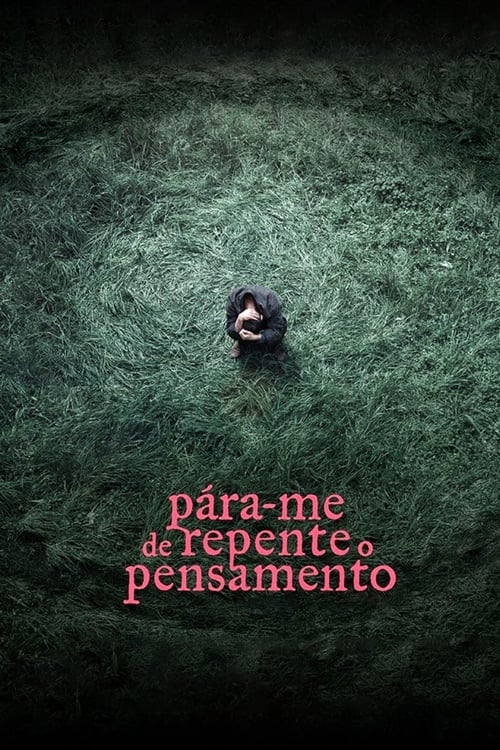
Pára-me de Repente o Pensamento is a sophisticated documentary-drama that blurs the line between observer and observed. By integrating psychiatric patients into the creative process of character development, the film avoids treating neurodivergence as a mere spectacle. The work excels in its portrayal of disability, moving beyond medical observation to embrace collaborative involvement. It treats madness and clarity as coexisting states, offering a radical empathy that challenges institutional stigmas. While the film lacks specific data regarding LGBTQ+, gender, or racial representation, its strength lies in its profound critique of how society manages the 'alienated'. It prioritizes existential depth over traditional demographic markers.
Category Breakdown
The film does not explicitly address queer narratives or characters. Although themes of isolation hint at openness to diverse identities, there is no direct representation of LGBTQ+ individuals.
The story centers on the universal human experience of mental health. It avoids traditional gender stereotypes to emphasize the raw, psychological truth and vulnerability of the human condition.
There is no detailed information about the racial makeup of the cast. The film explores identity through psychological depth rather than specific racial categories.
The film critiques Western ideas of sanity by focusing on a psychiatric institution. It uses poetry to bridge the gap between madness and art, viewing societal structures as places of confinement.
This is the film's strongest area, giving individuals with schizophrenia significant influence over the creative process. Their conditions are portrayed as complex, lived realities rather than just medical diagnoses.
Present on Screen
Limited or Absent
Official Synopsis
A cup of coffee, a cigarette. A coin, another cup of coffee. Patients roam the halls. They walk alone. Waiting. Another smoke, a burning cigarette. Therapies that appeal to the senses. Routines that pull them back to reality. It's life repeating itself at psychiatric hospital spaces'. Lucidity and madness live together. From the outside world comes an actor in search of his character for a theatre play, diving into the inner world of schizophrenia. Patients are part of the creation of the character. Amidst the haze, the actor finds a poem by Ângelo de Lima, an alienated. The theatre character is born. Cinema documents it.
1974

2016
2004

2001
2007

2017

2024
1972
No reviews yet. Be the first to share your thoughts on this movie!
Use the rating form above to leave a star rating and optional review.