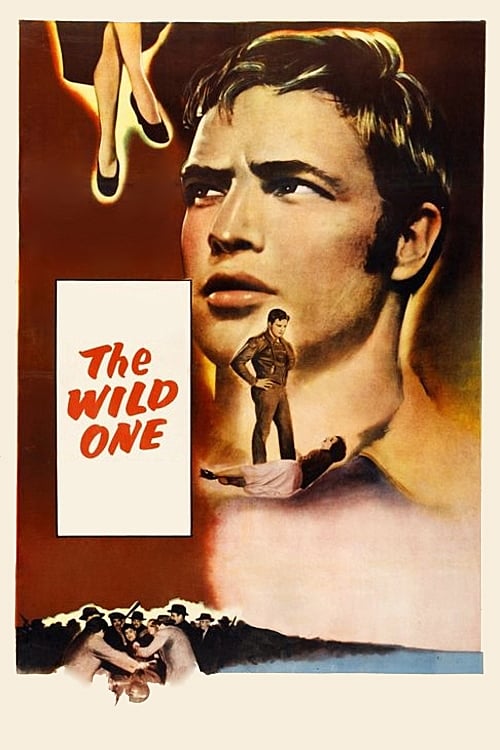
The Wild One
1953
No user ratings available yet
Representation score: 1.3 out of 10
Representation Score
Fair
1955
PG-13Director
Nicholas Ray
Runtime
111 minutes
Average Rating
No ratings yetNew Showbiz Analysis
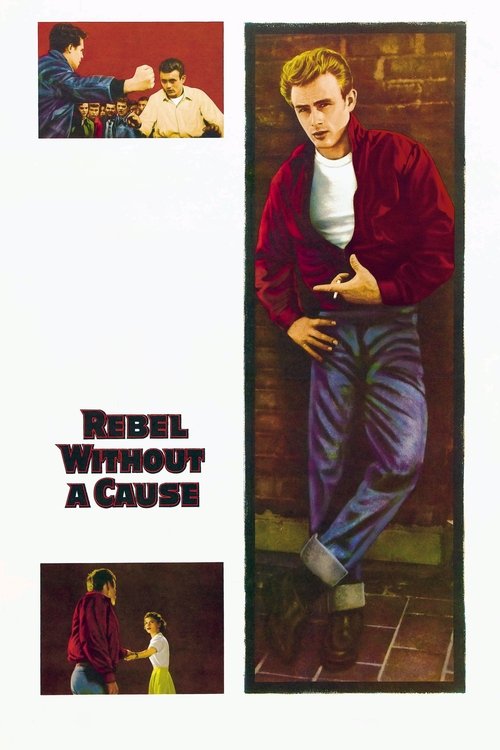
Rebel Without a Cause is a period piece that dismantles mid-century social norms but does not broaden its demographic range. Its main strength lies in its critique of the American middle-class lifestyle and the failure of parental guidance. While the film offers a nuanced look at the emotional struggles within families, it remains confined by the era's limitations. The absence of diverse racial and LGBTQ+ representation keeps its social focus narrow and centered on a specific demographic. Ultimately, the film's worth is found in its compassionate portrayal of non-conformity. It challenges traditional views by presenting rebellion as a symptom of neglect rather than inherent criminality.
Category Breakdown
The film follows a mid-1950s standard where everyone is assumed to be straight or cisgender. Although the close relationship between Jim and Plato can be interpreted in modern terms, the movie doesn't include any explicit non-straight identities.
The story disrupts typical family roles by showing the nuclear family as a source of conflict and poor communication. However, women's roles remain closely tied to the actions of male characters.
The story centers on a uniform group of white, middle-class teenagers. It reflects the exclusionary practices of its time by focusing solely on the experiences of suburban whites.
The film critiques the malaise of 1950s suburbia and the idealized nuclear family. It portrays delinquency as a reaction to systemic emotional neglect.
The film does not intentionally represent physical or cognitive differences. Psychological issues are framed as responses to environmental stress rather than explorations of disability.
Present on Screen
Limited or Absent
Official Synopsis
After moving to a new town, troublemaking teen Jim Stark is supposed to have a clean slate, although being the new kid in town brings its own problems. While searching for some stability, Stark forms a bond with a disturbed classmate, Plato, and falls for local girl Judy. However, Judy is the girlfriend of neighborhood tough, Buzz. When Buzz violently confronts Jim and challenges him to a drag race, the new kid's real troubles begin.
1953
1971
1971

1979

2009
1955
1970
1968
No reviews yet. Be the first to share your thoughts on this movie!
Use the rating form above to leave a star rating and optional review.