Hunting the KGB Killers
2017
No user ratings available yet
Representation score: 4.5 out of 10
Representation Score
Limited
2007
Director
Andrei Nekrasov, Olga Konskaïa
Runtime
105 minutes
Average Rating
No ratings yetNew Showbiz Analysis
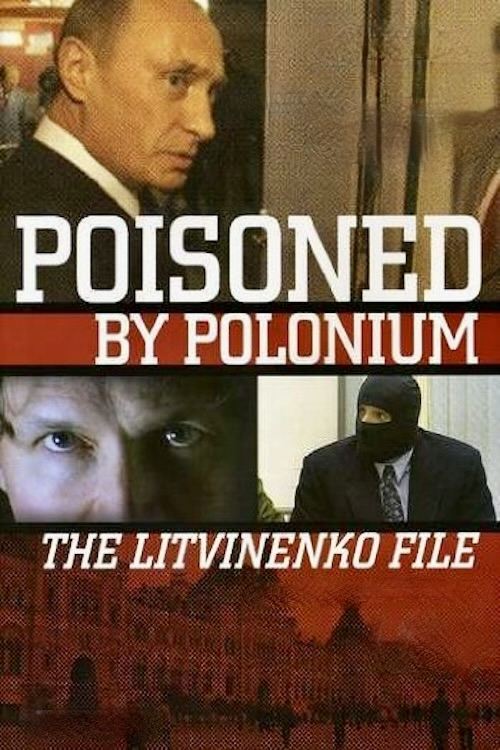
Poisoned by Polonium is a specialized political documentary that prioritizes geopolitical investigation over demographic variety. Its strength lies in its cultural critique, specifically how it challenges state-driven narratives and institutional corruption. However, the film lacks breadth in other areas. The cast and setting are largely homogeneous, focusing on a specific Slavic and Anglo-Saxon political landscape. Because the subject matter is so narrow—centered on espionage and assassination—it naturally lacks representation for LGBTQ+ identities and diverse racial groups.
Category Breakdown
There are no LGBTQ+ characters or narratives exploring non-straight relationships in the documentary. The film focuses solely on political espionage and the forensic details of the Litvinenko case.
The narrative centers on Alexander Litvinenko and male-dominated intelligence spheres. While investigative perspectives vary, there is little evidence of women playing significant roles or challenging traditional gender power dynamics.
The film is deeply rooted in the socio-political contexts of post-Soviet Russia and the UK. The primary figures and settings remain largely homogeneous without intentional racial diversity.
The film excels by critiquing centralized state power and nationalistic institutions. It uses a lens of moral relativism to deconstruct official truths and challenge established institutional hierarchies.
The film depicts the physiological effects of polonium poisoning. However, it is unclear if these scenes serve as meaningful disability representation or are used purely as forensic evidence.
Present on Screen
Limited or Absent
Official Synopsis
This documentary follows ex-spy Alexander Litvinenko from his forced exile from Russia, to his death from poisoning in November of 2006.
2017
2020

2021
2020

2021
2022

2017

2019
No reviews yet. Be the first to share your thoughts on this movie!
Use the rating form above to leave a star rating and optional review.