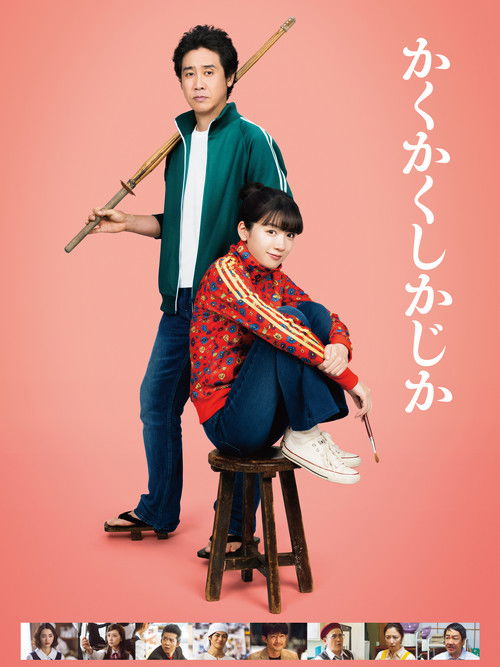
Blank Canvas: My So-Called Artist's Journey
2025
No user ratings available yet
Representation score: 5.0 out of 10
Representation Score
Minimal
2015
PGDirector
Hitoshi One
Runtime
119 minutes
Average Rating
No ratings yetNew Showbiz Analysis
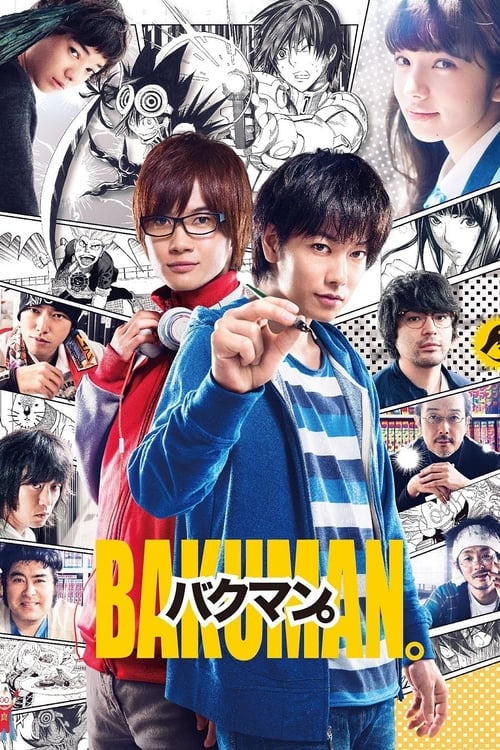
Bakuman is a traditional, genre-focused drama that prioritizes professional meritocracy over the exploration of diverse identities. The narrative focuses heavily on the competitive nature of the manga industry, framing success through sales rankings and editorial approval. The film reinforces conventional social hierarchies and traditional gender roles. While it captures the specific cultural context of its setting, it does so through a lens of homogeneity and standard social structures. Ultimately, the film functions as a straightforward portrayal of industry competition rather than a tool for social or cultural deconstruction.
Category Breakdown
The film follows a strictly straight-centered structure. The central romantic arc is built on a conventional courtship between the male lead and a female interest.
The male protagonists play a significant role in driving the story. While the female lead has career ambitions, she primarily serves as a motivational catalyst for the men.
The cast is highly homogeneous, reflecting the specific demographic of the Japanese manga industry. It lacks diverse ethnic perspectives or inclusive casting.
The story operates within a meritocratic capitalist framework. It frames the pursuit of professional success and industry hierarchy as a noble, necessary endeavor.
There are no prominent depictions of physical, sensory, or neurodivergent disabilities. Characters exist within a standard spectrum of ability.
Present on Screen
Limited or Absent
Official Synopsis
Moritaka Mashiro doesn't want to follow in the path of his uncle who worked as a manga artist, but ultimately died because of exhaustion. Moritaka Mashiro figures he will graduate from school and work at an office. Things change though when falls in love with a girl at school. The girl, who hopes to become a voice actress, tells Moritaka they can marry, but only after they both achieve their dreams. Moritaka then teams up with fellow classmate Akito Takagi to publish their first manga.
2025
2016

2004

2014
2015
2010

2024

2014
No reviews yet. Be the first to share your thoughts on this movie!
Use the rating form above to leave a star rating and optional review.