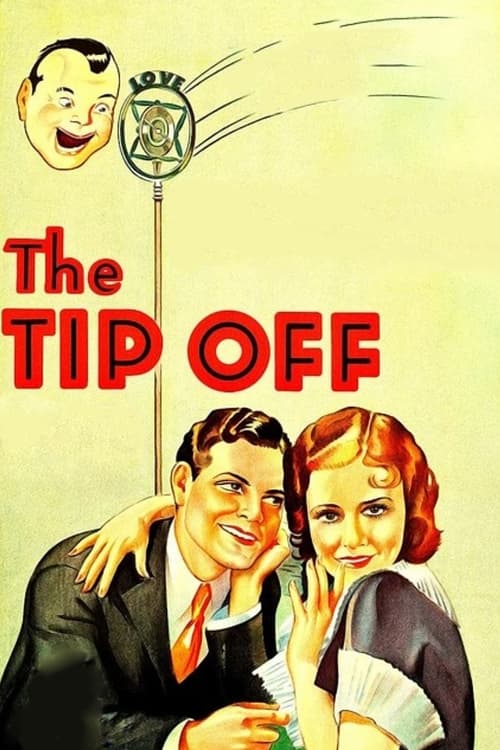
The Tip-Off
1931
No user ratings available yet
Representation score: 1.4 out of 10
Representation Score
Minimal
1936
ApprovedDirector
D. Ross Lederman
Runtime
54 minutes
Average Rating
No ratings yetNew Showbiz Analysis
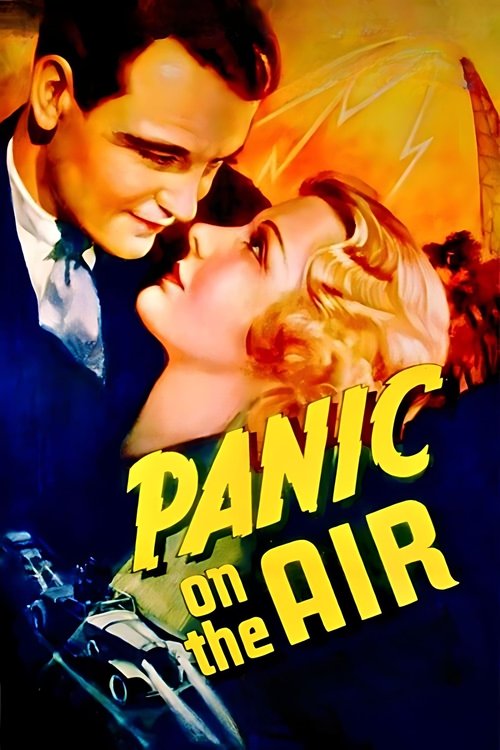
Panic on the Air is a quintessential 1930s B-movie that prioritizes genre conventions over social exploration. The narrative focuses on a male-driven investigation into gangsters and a hidden fortune, reinforcing the era's standard social hierarchies. Representation is minimal, adhering to the homogeneous casting and gender roles typical of the studio system during this period. The film functions as a straightforward crime-comedy without attempting to challenge established norms regarding race, gender, or identity. Ultimately, it serves as a product of its specific historical context.
Category Breakdown
The film does not include any LGBTQ+ characters or narratives. It follows the conventional social frameworks of the 1930s, without challenging the assumption that everyone is straight or cisgender.
Male characters drive the investigative plot and provide the primary role in advancing the story. Although Florence Rice is top-billed, the central conflict remains focused on male characters.
The casting reflects the homogeneous standards of the 1930s crime comedies. There is no indication of a diverse or non-Anglo-Saxon majority within the cast.
Themes of crime and investigation reinforce traditional Western notions of justice. The narrative supports the effectiveness of established social and legal frameworks.
There is no indication of characters with visible or invisible disabilities. The cast appears to function within standard physical and neurotypical parameters.
Present on Screen
Limited or Absent
Official Synopsis
A sports announcer and a friend investigate after a pitcher misses a series. When they discover that gangsters are trying to find a hidden fortune, they use the radio show to foil the plan.
1931
1934
1946

1951
1947
1931

1948
1949
No reviews yet. Be the first to share your thoughts on this movie!
Use the rating form above to leave a star rating and optional review.