
Le piège à cons
1979
No user ratings available yet
Representation score: 6.3 out of 10
Representation Score
Fair
1968
KTDirector
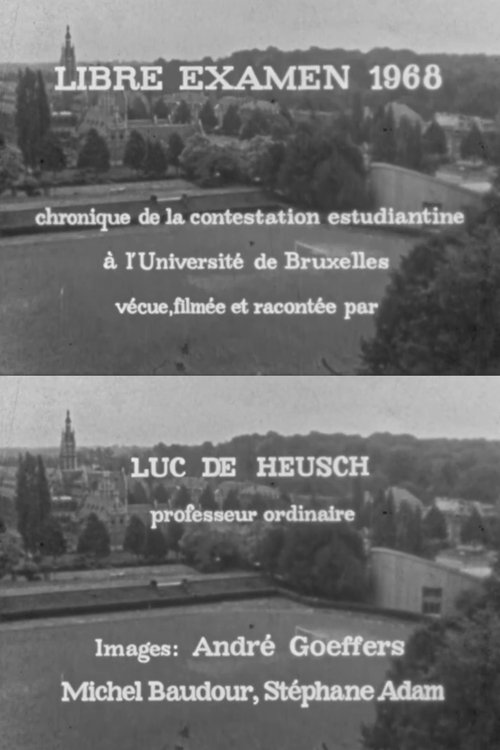
Luc de Heusch
Average Rating
No ratings yetNew Showbiz Analysis
Luc de Heusch uses a reflexive ethnographic approach to document the Kimbere community. By focusing on Congolese social ability to act, the film counters the colonial gaze prevalent in mid-century cinema. The film's strength lies in its intellectual exploration of non-Western knowledge systems. It avoids exoticizing its subjects, instead presenting them as central to the narrative and cultural study. However, the film does not engage with modern identity politics. It lacks representation of LGBTQ+ narratives or non-cisgender gender expressions and does not address traditional gender hierarchies.
Category Breakdown
The film focuses on communal rituals in the Democratic Republic of the Congo and does not depict any non-straight or non-cisgender identities or same-sex relationships.
Women are shown as active participants in the village's social and ritual life, but the film does not challenge traditional gender roles.
The film centers a non-Western community, providing significant racial ability to act and disrupting the Eurocentric perspective common in 1968 cinema.
The film excels at documenting non-Western spiritual practices and social structures, presenting a worldview independent of Western capitalist or Christian frameworks.
There is no depiction of individuals with disabilities in the film, nor is disability used as a narrative device or subject of ridicule.
Present on Screen
Limited or Absent
1979
1967

1976
1979

1966

1980
1966
1968
No reviews yet. Be the first to share your thoughts on this movie!
Use the rating form above to leave a star rating and optional review.