
Simon i Backabo
1934
No user ratings available yet
Representation score: 1.3 out of 10
Representation Score
Minimal
1937
K-16Director
Gustaf Molander
Runtime
74 minutes
Average Rating
No ratings yetNew Showbiz Analysis
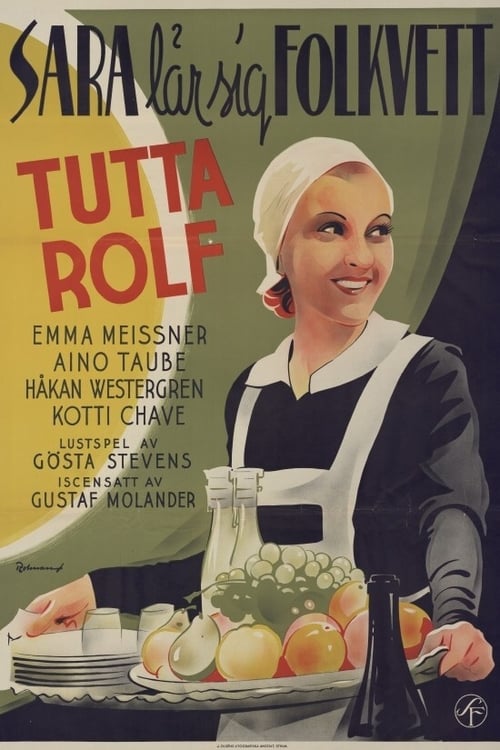
Sara Learns Manners is a class-based social comedy that finds its progressive value in the redistribution of wealth. The narrative centers on the inversion of economic power between an aristocratic family and their housekeeper. While the film offers a critique of rigid class hierarchies, it lacks diverse representation. The production remains within the conventional demographic and social boundaries of the 1930s Swedish cinematic era. Ultimately, the film's impact is limited to its commentary on social mobility rather than a broad representation of diverse identities.
Category Breakdown
The film does not include any characters with LGBTQ+ identities or non-binary gender expressions. It follows the typical straight-centered social structures of 1937.
The plot hints at a potential challenge to patriarchal dominance if the housekeeper gains more control through her inheritance. However, it is unclear if this is a serious point or just a comedic cliché.
Given that it is a 1937 Swedish production, the cast is likely to be ethnically uniform. There is no indication of significant non-Anglo-Saxon representation in the story.
The story criticizes the stability of the landed gentry by disrupting aristocratic life. This focus on social mobility challenges the traditional Western class hierarchy.
There is no information about characters with visible or invisible disabilities in this production.
Present on Screen
Limited or Absent
Official Synopsis
Day to day life for an aristocratic family is upended when they lose their fortune and their housekeeper suddenly receives a large inheritance.
1934
1934

1935
1986

1934
2013
1958
1947
No reviews yet. Be the first to share your thoughts on this movie!
Use the rating form above to leave a star rating and optional review.