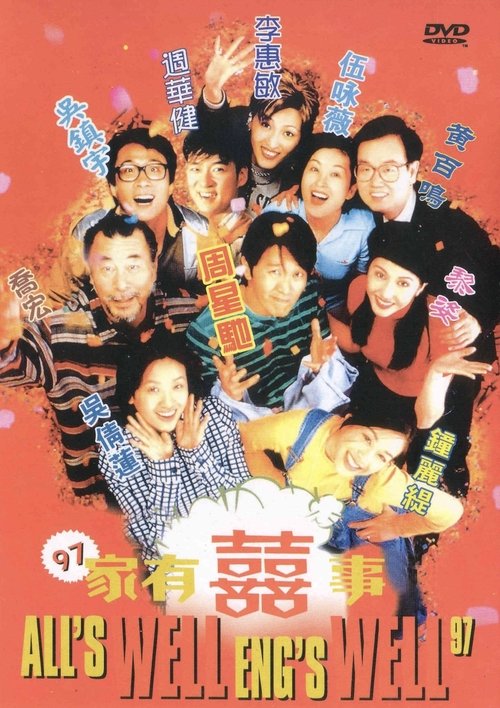
All's Well, End's Well '97
1997
No user ratings available yet
Representation score: 3.6 out of 10
Representation Score
Fair
1995
Director
Lee Lik-Chi
Runtime
93 minutes
Average Rating
No ratings yetNew Showbiz Analysis
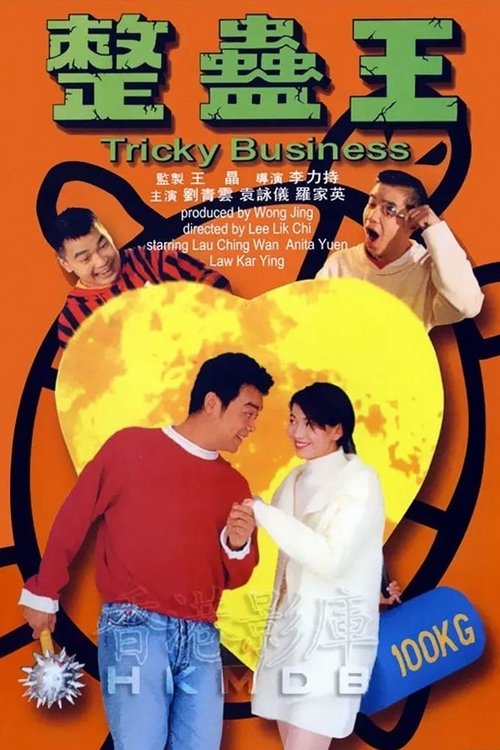
Tricky Business follows a traditional romantic comedy format that prioritizes humor and drama over social commentary. The narrative heavily relies on well-known archetypes, such as the trickster and the vulnerable love interest, to propel the storyline. While the film examines class tensions through the conflict between Happy and the wealthy Shi, these elements center on personal morality rather than broader critiques of societal structures. The film adheres to conventional representations of its era, focusing on straight-centered relationships and using disability as a tool for emotional manipulation.
Category Breakdown
The film centers on traditional heterosexual relationships without exploring non-straight relationships or questioning the assumption that everyone is straight. It does not address the complexity of LGBTQ+ identities.
The story emphasizes the male protagonist's control over the narrative through his principles, while the female lead remains emotionally vulnerable and does not challenge traditional gender roles.
The cast and setting reflect the ethnic homogeneity of the Hong Kong film industry during that time. The film does not engage with diverse racial backgrounds or identities.
The film highlights class conflicts through the contrast between the wealthy and the trickster, but these themes focus on personal morality rather than critiquing broader social or institutional structures.
Moon's blindness and cancer serve as catalysts for the protagonist's emotional journey, but they are used primarily to evoke sympathy rather than to give disability a meaningful role in the narrative.
Present on Screen
Limited or Absent
Official Synopsis
Happy specializes in playing tricks. But he refuses to work for Shi, a rich man, as the job is against his principle, Shi is very angry and asks for the help of Ling, the enemy of Happy. By coincidence, Happy meets Moon, a blind girl suffering from cancer. Happy feels pity and also falls for her. However, he isn’t aware that it is just a trick…
1997
1993
2003
2006
2010
2001
1992

1985
No reviews yet. Be the first to share your thoughts on this movie!
Use the rating form above to leave a star rating and optional review.