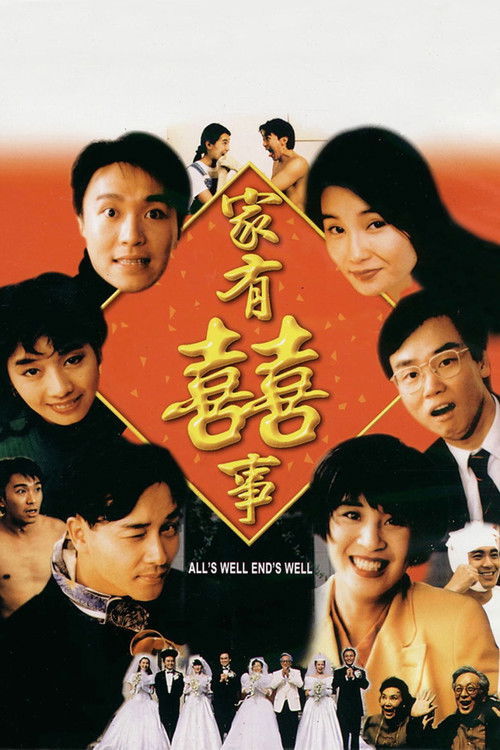
All's Well, Ends Well
1992
No user ratings available yet
Representation score: 1.9 out of 10
Representation Score
Limited
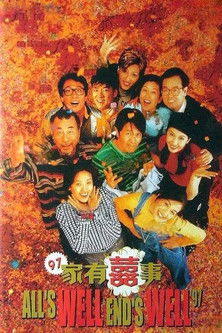
1997
Director
Alfred Cheung Kin-Ting
Runtime
90 minutes
Average Rating
No ratings yetNew Showbiz Analysis
The film functions as a traditional domestic comedy that upholds established social hierarchies. It relies on classic comedic archetypes, such as the trickster and the patriarchal leader, to advance the plot. While the story delves into familial conflicts and the consequences of financial missteps, it does so within a conventional framework. The film prioritizes the preservation of the family unit over any substantial social critique. Overall, the film lacks the intention to challenge systemic norms and instead adheres to the standard comedic clichés of its genre and time period.
Category Breakdown
The film focuses on traditional heterosexual relationships and does not include any representation of non-binary genders or sexual orientations.
The story revolves around a patriarchal family structure led by Old Mr. Lo and his sons. It does not challenge traditional gender roles or offer alternative perspectives on gender.
The cast and setting are predominantly Chinese, reflecting the film's Hong Kong production context. The film does not explore diverse ethnic backgrounds or cultural blending.
The narrative emphasizes traditional family values, parental authority, and domestic responsibilities. It portrays the pursuit of wealth as a cautionary tale rather than a critical examination of capitalist society.
Mental health issues are used as a comedic element when the protagonist pretends to be insane to avoid debt. This portrayal may trivialize mental health conditions for the sake of humor.
Present on Screen
Limited or Absent
Official Synopsis
Old Mr. Lo has three sons and the youngest one Lo Kung is his favorite. However, Kung does nothing but fool around all day long. Old Mr. Lo is very annoyed about this. The relationship between father and son is thus affected. So on Kung's birthday, his two brothers decide to play a joke on him. They trick him into believing he has won the lottery. Kung is so happy that he spends a tremendous amount of money. When he realizes he is in huge debt, he pretends to go insane and the whole family believes him.
1992

1993

2009

2003

1993
2007
1995

1985
No reviews yet. Be the first to share your thoughts on this movie!
Use the rating form above to leave a star rating and optional review.