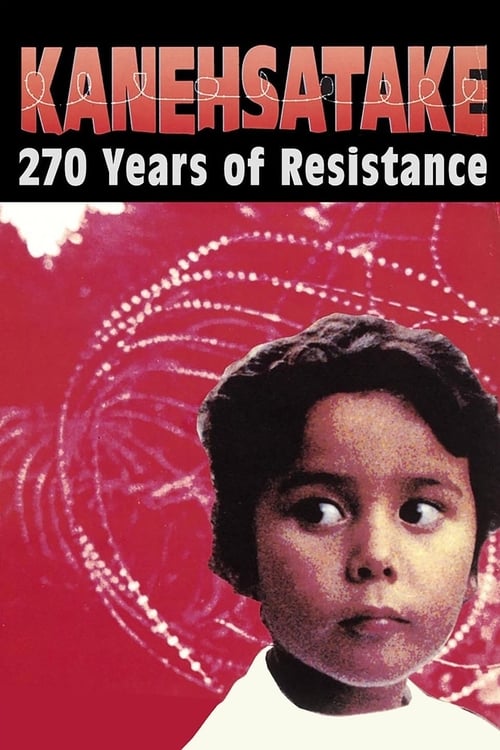
Kanehsatake, 270 Years of Resistance
1993
No user ratings available yet
Representation score: 5.0 out of 10
Representation Score
Excellent
2003
Director
Alanis Obomsawin
Runtime
96 minutes
Average Rating
No ratings yetNew Showbiz Analysis
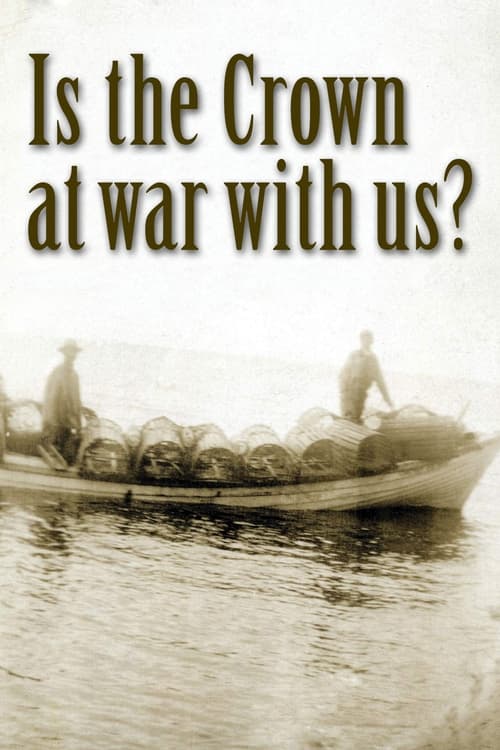
Alanis Obomsawin’s documentary is a powerful act of decolonial cinema that reframes the 2000 fishery conflict in New Brunswick. By centering Mi'gmaq voices, the film successfully challenges Western-centric historical narratives and questions the legitimacy of state authority. The work excels in racial and cultural representation, using Indigenous testimony to expose the systemic warfare waged by the Canadian government. It effectively shifts the viewer from passive observation to critical engagement with institutional power. While the film lacks explicit LGBTQ+ representation, its focus remains firmly on sovereignty and the reclamation of Indigenous ability to act. It provides a necessary, high-impact critique of colonial hegemony.
Category Breakdown
The film focuses on the legal and systemic struggles of the Mi'gmaq community. It does not explicitly center queer narratives or non-cisgender identities.
Indigenous women and elders are positioned as primary keepers of history and political leadership. The film highlights how colonial structures attempted to dismantle Indigenous social fabrics.
The documentary provides exceptional representation by centering Mi'gmaq testimony. It reframes the fishery conflict through a non-Anglo-Saxon perspective to challenge standard Canadian historical narratives.
The narrative offers a profound critique of the Canadian Crown and religious institutions. It frames the state's actions as systemic engines of oppression against Indigenous survival.
The film touches upon the psychological impacts and intergenerational trauma caused by the residential school system. These wounds are treated with dignity and empowerment.
Present on Screen
Limited or Absent
Official Synopsis
In the summer of 2000, federal fishery officers appeared to wage war on the Mi'gmaq fishermen of Burnt Church, New Brunswick. Why would officials of the Canadian government attack citizens for exercising rights that had been affirmed by the highest court in the land? Alanis Obomsawin casts her nets into history to provide a context for the events on Miramichi Bay.
1993
2011

2000
2013
2014

2013

2013
2015
No reviews yet. Be the first to share your thoughts on this movie!
Use the rating form above to leave a star rating and optional review.