
Girls Got Game
2021
No user ratings available yet
Diversity score: 5.7 out of 10
2018
Not RatedDirector
Julien Hallard
Runtime
90 minutes
Average Rating
No ratings yetSynopsis
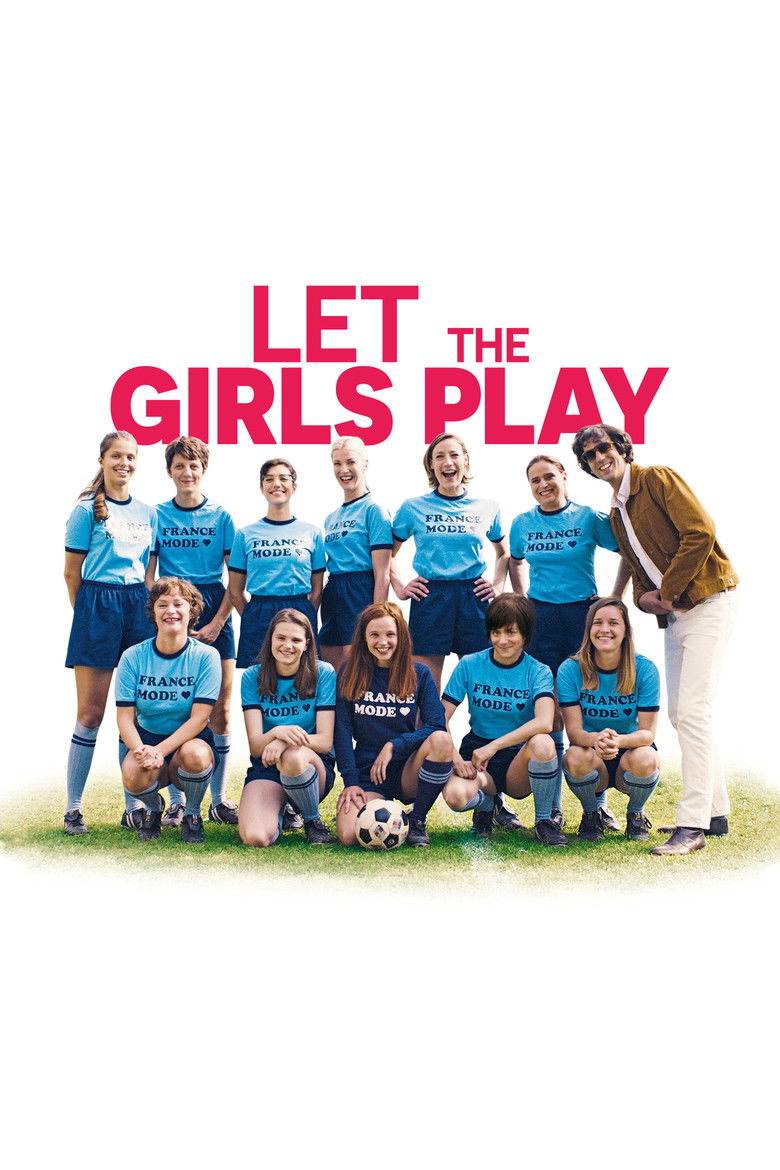
Reims, France, 1969. Paul Coutard is a 30-year-old sports journalist at daily newspaper Le Champenois. Charming, childish and a womanizer, he does exactly what he pleases. Then one day, his boss forces him to plan the newspaper’s annual fair together with Emmanuelle Bruno, the discreet and beautiful executive assistant. Paul has the crazy idea to organize a women’s football match for the first time. With Emmanuelle’s help, the project grows to unexpected proportions, as does their romance.
Overall Score
Fair
Category Breakdown
LGBTQ+ Representation
The story centers on a heteronormative romance between Paul and Emmanuelle. While the 1969 setting allows for themes of non-conformity, there is no explicit depiction of queer identities.
Gender Representation
The film subverts 1960s gender hierarchies by centering on a women's football match. This disrupts expectations of female passivity and promotes a competency-based partnership between the leads.
Racial & Ethnic Diversity
Set in Reims, France, the narrative appears to focus on a homogeneous social environment. There is no evidence of a diverse cast or significant racial intersectionality.
Religious & Cultural Diversity
The film critiques the traditional social order by championing radical ideas like women's sports. It focuses on social evolution and the disruption of established institutions.
Disability Representation
The narrative contains no mention of characters navigating physical or mental health conditions. No information is available regarding disability agency or representation.
Strengths
Areas for Improvement
AI Analysis
Let the Girls Play succeeds in challenging the gendered limitations of 1969 France. By placing a women's football match at the heart of the plot, the film moves away from patriarchal norms toward a more integrated professional partnership. However, the film's impact is limited by its narrow demographic scope. The setting feels culturally homogeneous, lacking visible racial intersectionality or explicit LGBTQ+ representation, which keeps the overall score modest. Ultimately, the film is a study of social disruption through a specific lens of gendered progress, even if it remains within a relatively traditional social framework.
2021

1979

2019

2009

2008
2015

2013

2020

2020

2012

1973

2018
No reviews yet. Be the first to share your thoughts on this movie!
Use the rating form above to leave a star rating and optional review.