
Double Pregnant
2019
No user ratings available yet
Diversity score: 5.3 out of 10
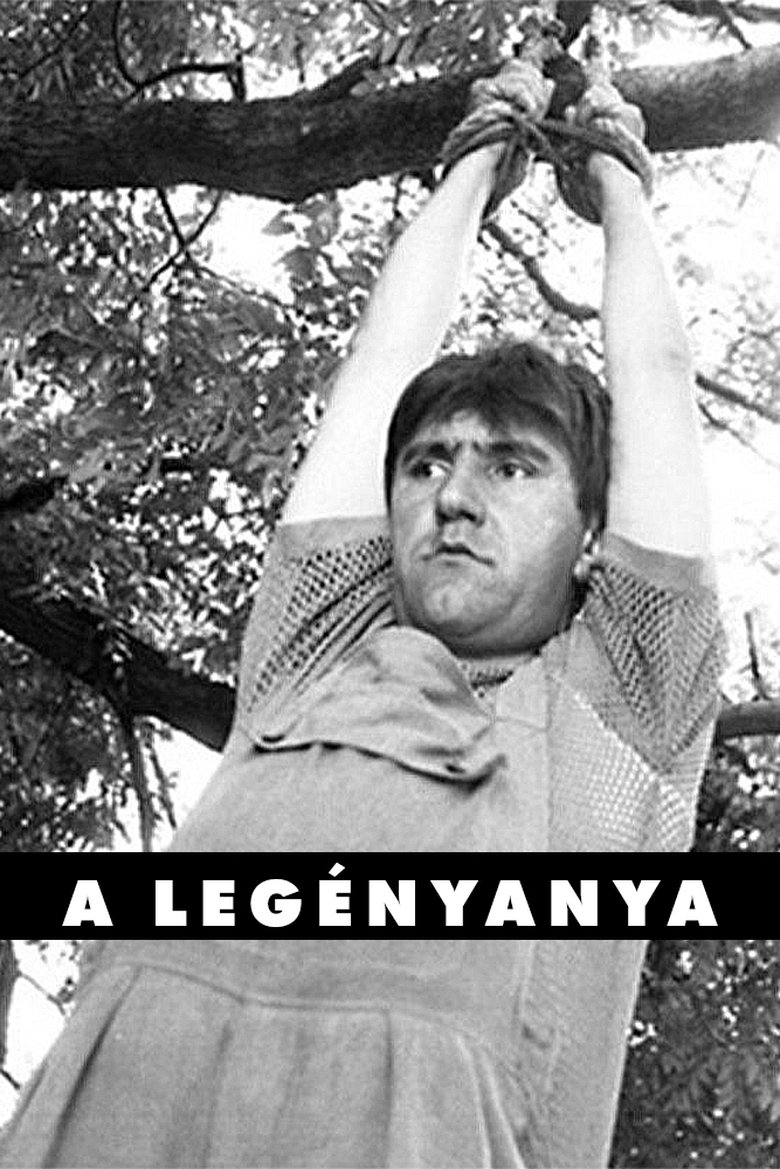
1989
Director
Dezső Garas
Runtime
80 minutes
Average Rating
No ratings yetSynopsis
In the small village of Rátót, every male is called Béla. When a woman gives birth to her child, she names him Józsi...
Overall Score
Limited
Category Breakdown
LGBTQ+ Representation
The film lacks evidence of non-cisnormative identities or narratives that critique heteronormativity. The story focuses on traditional biological and social aspects of childbirth.
Gender Representation
The premise centers on motherhood and the naming of male children. While the title hints at gender role play, the narrative appears to follow traditional patriarchal naming lineages.
Racial & Ethnic Diversity
Set in a small Hungarian village, the film reflects a homogeneous ethnic landscape. It focuses on local cultural idiosyncrasies rather than multi-ethnic casting.
Religious & Cultural Diversity
The film explores a localized, folkloric social structure. It uses repetitive naming conventions to provide a subtle commentary on the constraints of community identity and social conformity.
Disability Representation
There is no mention of characters with visible or invisible disabilities within the narrative.
Strengths
Areas for Improvement
AI Analysis
Dezső Garas's comedy functions as a localized exploration of social homogeneity in rural Hungary. The film prioritizes the absurdity of repetitive social structures and naming conventions over modern intersectional themes. The narrative is deeply rooted in a specific cultural micro-climate, focusing on the cyclical nature of tradition. This creates a closed social system that lacks engagement with broader, diverse identity frameworks. Ultimately, the film serves as a character-driven social comedy that reflects the regional and historical context of 1989 Eastern Europe.
2019
1974
1979
1982

2003

1952

1985

2021

2017
2001

2000

2018
No reviews yet. Be the first to share your thoughts on this movie!
Use the rating form above to leave a star rating and optional review.