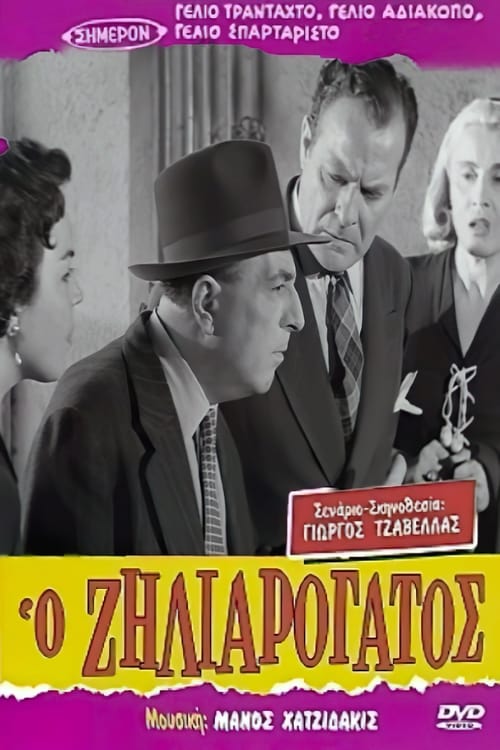
Jealous like a Cat
1956
No user ratings available yet
Representation score: 2.1 out of 10
Representation Score
Limited
1952
Director
Yorgos Tzavellas
Runtime
108 minutes
Average Rating
No ratings yetNew Showbiz Analysis
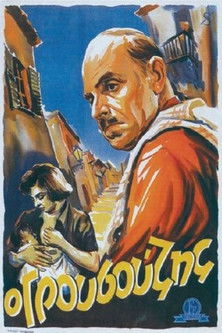
Grousouzis is a mid-century Greek comedy that centers on character-driven humanism rather than social critique. The narrative follows a grumpy cafe owner's transformation through fatherhood, a common cliché that reinforces traditional social roles. Produced in 1952, the film does not incorporate the diverse representation or perspectives that reflect multiple aspects of identity expected in contemporary cinema. It reflects the socio-cultural constraints and homogeneous demographics of its time. Overall, the film serves as a conventional comedy focused on individual temperament rather than systemic critique or diverse representation.
Category Breakdown
The film follows the social norms of 1950s Greek cinema, which assume everyone is straight or cisgender. There are no representations of same-sex relationships or non-cisgender identities.
The story revolves around a male protagonist and his personal growth. Female characters adhere to traditional gender roles without showing significant influence or challenging these norms.
The cast reflects the ethnically uniform population of 1952 Greece. The film does not include diverse ethnic backgrounds or symbolic representations of identity.
The narrative emphasizes humanistic values and community integration through adoption. It does not explicitly question religious or Western social institutions.
There is no evidence of physical or neurodivergent disabilities being portrayed in this film.
Present on Screen
Limited or Absent
Official Synopsis
Agatocles, a grumpy and gruesome caffector, finds out a baby's out of his cafe and, to the surprise of everyone, decides to adopt it.
1956

2008
1956

1963
1962
1959
1966
1982
No reviews yet. Be the first to share your thoughts on this movie!
Use the rating form above to leave a star rating and optional review.