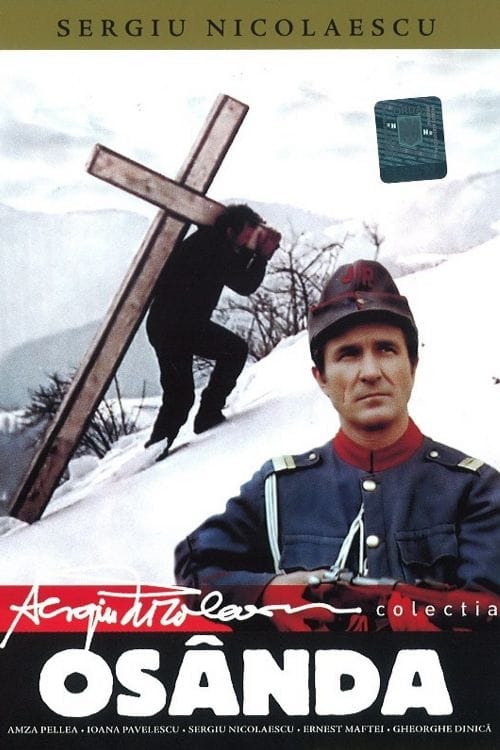
The Punishment
1976
No user ratings available yet
Representation score: 1.9 out of 10
Representation Score
Minimal
1932
Director
Mihajlo Popović
Runtime
42 minutes
Average Rating
No ratings yetNew Showbiz Analysis
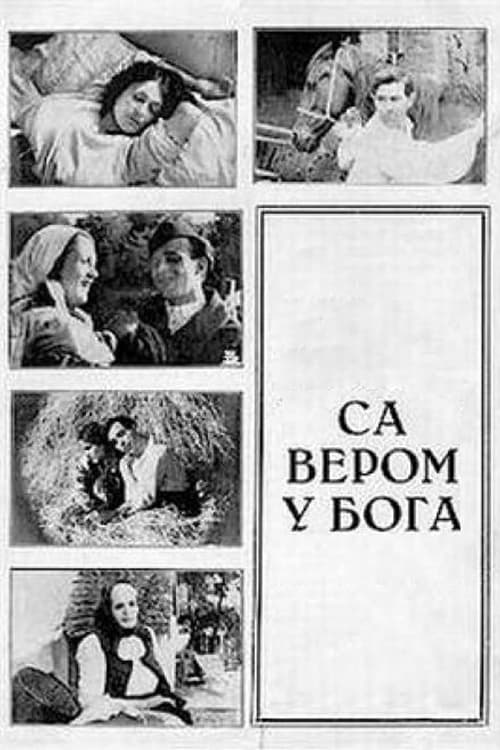
In God We Trust is a period drama that prioritizes historical realism and established social hierarchies. Produced in 1932, the film reflects the social structures and traditionalist frameworks of early Yugoslav cinema. The narrative focuses on the impact of WWI on a Serbian village, which naturally centers the story on patriarchal structures and communal faith. This focus limits the presence of diverse identities or subversions of the era's norms. Ultimately, the film functions as a traditionalist work. It reinforces the religious and ethnic homogeneity characteristic of the region and time period rather than challenging them.
Category Breakdown
The film does not include any representation of non-binary gender identities or same-sex relationships. The story emphasizes the stability of family and community life within a village setting.
Female actors such as Jelisaveta Dimitrijević appear in the cast, but the story centers on male-driven action. It follows the traditional gender roles typical of 1930s war dramas.
Set in a small Serbian village, the film suggests a homogeneous ethnic environment. There is no indication of multi-ethnic blending or diverse racial casting.
The title implies a narrative rooted in traditional religious morality. It seems to reinforce religious institutions as a stabilizing force during wartime chaos.
There is no documentation regarding the portrayal of physical or neurodivergent characters in this production.
Present on Screen
Limited or Absent
Official Synopsis
WWI comes to a small Serbian village of Kumodraž , disturbing its residents' quiet life.
1976

1996
1939
1980
1985

1997

1987
2008
No reviews yet. Be the first to share your thoughts on this movie!
Use the rating form above to leave a star rating and optional review.