
La Libertad
2017
No user ratings available yet
Representation score: 6.6 out of 10
Representation Score
Good
2017
Director
Manuel Abramovich
Runtime
75 minutes
Average Rating
No ratings yetNew Showbiz Analysis
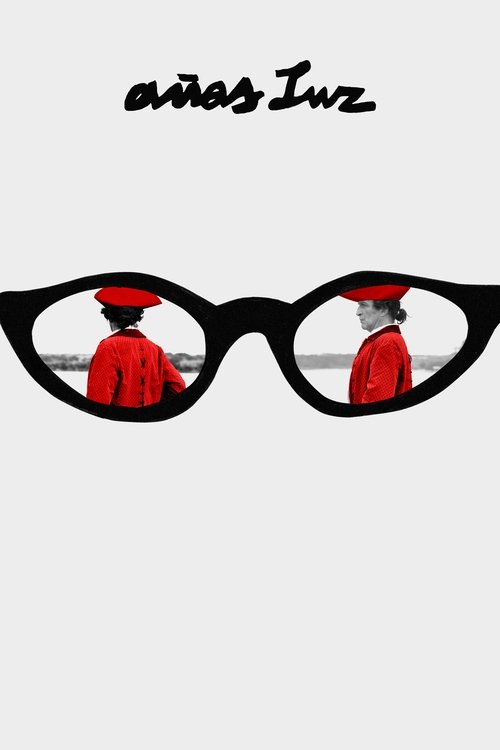
Light Years serves as a vital document of Latin American auteur cinema, specifically focusing on the meticulous labor behind Lucrecia Martel's work. It succeeds by centering a actively leading female director and elevating regional Argentine textures over Western-centric cinematic norms. However, the film's focus on professional process means it lacks explicit representation of LGBTQ+ identities or disability. The documentary functions more as a study of artistic precision than a narrative exploring diverse social identities. Ultimately, the film's strength lies in its subversion of industry hierarchies through its focus on female intellectual leadership and regional cultural specificity.
Category Breakdown
The film does not include explicit LGBTQ+ character arcs or romantic depictions. While the subject's creative world often explores identity, there is no direct representation of LGBTQ+ individuals.
The documentary centers on Lucrecia Martel, showcasing her strong leadership and intellectual rigor. It highlights her authority and technical skills in the filmmaking process.
Rooted in the regional identity of Salta, Argentina, the film promotes a non-Western perspective. It prioritizes Latin American landscapes and local creative leadership over globalized commercial homogeneity.
The work celebrates localized, non-Western modes of expression and sensory truth. It emphasizes the granular, human details of the artistic process within a specific regional context.
There is no discernible evidence regarding the portrayal of physical or neurodivergent disabilities within the film's framework.
Present on Screen
Limited or Absent
Official Synopsis
ZAMA (2017, Lucrecia Martel) didn’t come alone. It brought with her a shooting journal written by Selva Almada –El mono en el remolino– and this documentary by Manuel Abramovich, who, as a sound intruder, captured the meticulous work of the director from Salta and the warm, human, joyful precision.
2017
2017
2016
2023
2017
2017
2019
2007
No reviews yet. Be the first to share your thoughts on this movie!
Use the rating form above to leave a star rating and optional review.