
Eye of the Soul - Cristina García Rodero
2024
No user ratings available yet
Representation score: 6.7 out of 10
Representation Score
Excellent
2017
Director
Nicolás Combarro
Average Rating
No ratings yetNew Showbiz Analysis
Nicolás Combarro’s documentary serves as a profound meditation on the intersection of photography and lived marginality. By centering on Alberto García-Alix, the film reconstructs the history of the Movida Madrileña through the eyes of those on the social periphery. The work succeeds by prioritizing subcultural identity over mainstream historical narratives. It effectively deconstructs traditional hierarchies, celebrating the outsider and the deviant as essential components of the Spanish transition. While the focus is geographically specific, the film's commitment to visceral reality provides a nuanced study of identity, resistance, and the human condition within urban subcultures.
Category Breakdown
The film highlights queer identities within the Madrid underground scene, treating non-traditional gender expressions as fundamental to the era's social fabric rather than mere novelties.
Gender roles are presented as transgressive through punk subcultures. The documentary focuses on individuals who reject conventional masculinity and femininity in favor of subversive performance.
The representation is moderate due to the specific Spanish urban focus. However, the film captures the socioeconomic and ethnic diversity within the urban periphery and underrepresented communities.
The narrative critiques traditional religious and capitalist structures. It frames anti-social rebellion and defiance of authority as authentic expressions of liberation and resistance.
The film depicts the physical and mental tolls of living on the fringes of society. It avoids romanticizing struggle, presenting the raw reality of bodily and mental vulnerability.
Present on Screen
Limited or Absent
Official Synopsis
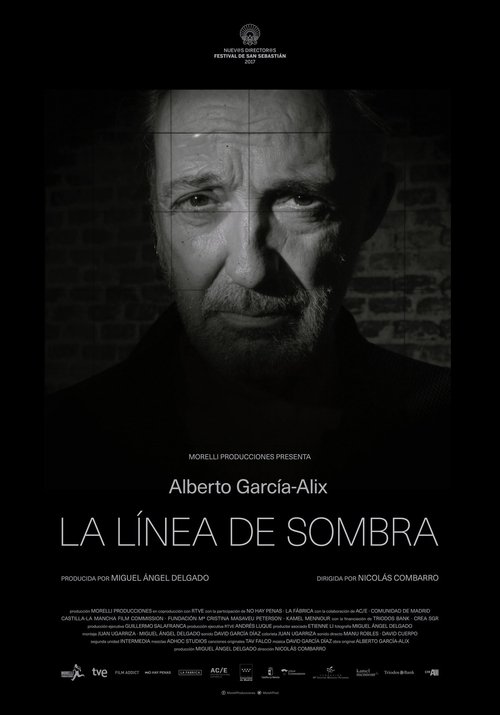
Documentary about one of the most important Spanish photographers. An intimate conversation with the artist, where we can see the lights and shadows of his life, many of his photos and also discover the process of creating his work.
2024

2014
2017
2008
1989
2017
2017
2012
No reviews yet. Be the first to share your thoughts on this movie!
Use the rating form above to leave a star rating and optional review.