
Antonio Vega, tu voz entre otras mil
2014
No user ratings available yet
Representation score: 3.1 out of 10
Representation Score
Fair
2016
Director
Telmo Iragorri, Francisco Sánchez Varela
Average Rating
No ratings yetNew Showbiz Analysis
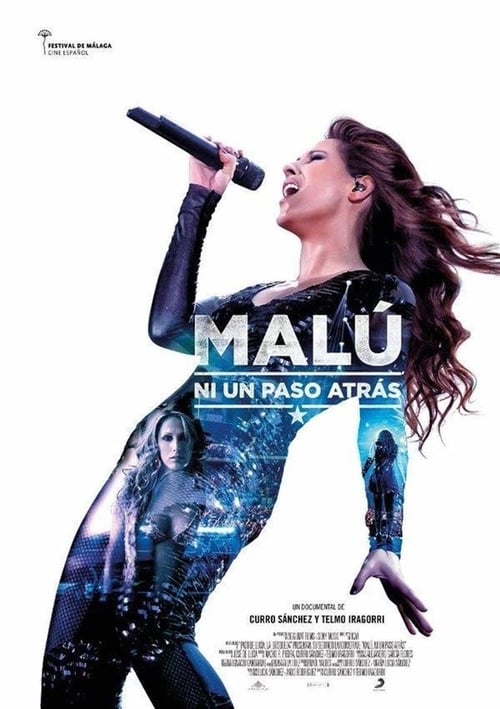
Malú: ni un paso atrás is a study of individual empowerment against social conformity. Its primary strength lies in its gendered narrative, which elevates a female protagonist's autonomy within a traditional framework. However, the film lacks broad diversity. The demographic homogeneity and absence of LGBTQ+ representation limit its reach beyond its specific regional context. Ultimately, the documentary succeeds as a character-driven piece of social realism, even if it remains narrow in its ethnic and identity-based scope.
Category Breakdown
The film focuses on a single protagonist without showing non-straight relationships or intimate moments between same-sex couples. It stays neutral regarding straight relationships and does not promote or criticize them.
The documentary emphasizes female empowerment by making Malú's ambitions the main storyline. It challenges traditional roles by prioritizing her personal growth over domestic duties.
Reflecting its Basque setting, the cast and environment are mostly uniform. This choice maintains authenticity to its local, working-class context rather than seeking diverse ethnic representation.
The narrative examines the tension between personal identity and strict traditional structures. It implicitly criticizes social institutions by valuing personal truth over communal obligations.
There are no characters with visible or invisible disabilities who have ability to act or are used as plot devices.
Present on Screen
Limited or Absent
2014

2020

2017

2023

2016

2012

2016
2014
No reviews yet. Be the first to share your thoughts on this movie!
Use the rating form above to leave a star rating and optional review.