
The Husbands, the Wives, the Lovers
1989
No user ratings available yet
Diversity score: 4.1 out of 10

2001
Director
Pascal Thomas
Runtime
127 minutes
Average Rating
No ratings yetSynopsis
Wednesday is the day when children are not in school and stay at home. It is also the day when the parents are not there. In Nantes, in the spring, twenty or so carefree and boisterous kids between the ages of three and eleven take advantage of this day to make their parents go crazy. Emma, 9 years old and naturally romantic, decides that Roland, the little boy she met in the street, is unhappy and persuades her friends to adopt him. Victoria spends the day with Martin Socoa, an often distant father whom she learns to love. There are also Muriel, Bruno, Colette and Henri who take off and create panic in their parents' home, while Marylin lives the founding drama of her childhood with a mother of an unreal sweetness. Throughout these little stories, we realize that the world of children has its own logic, totally different from that of adults.
Overall Score
Fair
Category Breakdown
LGBTQ+ Representation
The film explores early emotional attachments and childhood romance, such as Emma's interest in Roland. However, there is no explicit evidence of LGBTQ+ identities or the subversion of heteronormativity.
Gender Representation
Young girls like Emma and Victoria drive the narrative through their leadership and emotional intelligence. The story prioritizes their subjective experiences over the authority of the adults.
Racial & Ethnic Diversity
Set in Nantes, the film depicts a relatively homogeneous social environment. There is no mention of multicultural blending or a diverse cast within this specific communal group.
Religious & Cultural Diversity
The narrative deconstructs the traditional nuclear family by prioritizing the chaotic logic of children. It subverts established domestic order by portraying parents as ineffective or distant figures.
Disability Representation
There are no visible or invisible disabilities mentioned among the ensemble cast. No specific information is available to assess this category.
Strengths
Areas for Improvement
AI Analysis
Day Off functions as a character study centered on childhood autonomy. It succeeds in shifting the narrative lens away from adult authority, granting agency to its young protagonists. This structural choice allows for a unique exploration of social bonds and domestic disruption. However, the film lacks significant markers of racial or LGBTQ+ diversity. The setting appears culturally homogeneous, reflecting a specific, localized social environment without intentional multicultural representation. Ultimately, the film's strength lies in its subversion of traditional family hierarchies rather than its breadth of identity representation.
1989

2016

1989

1996
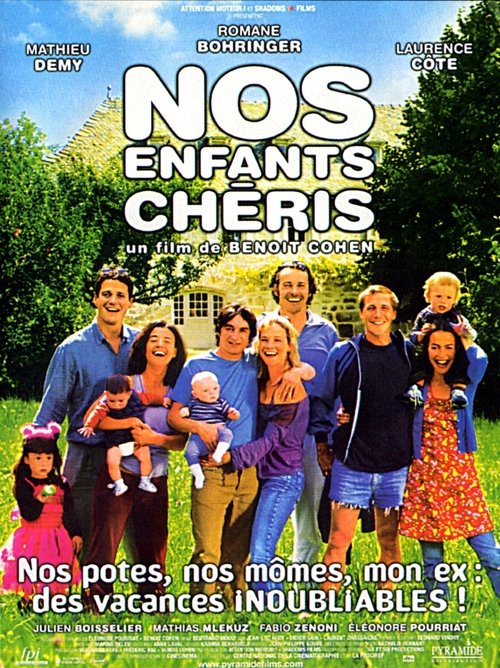
2003
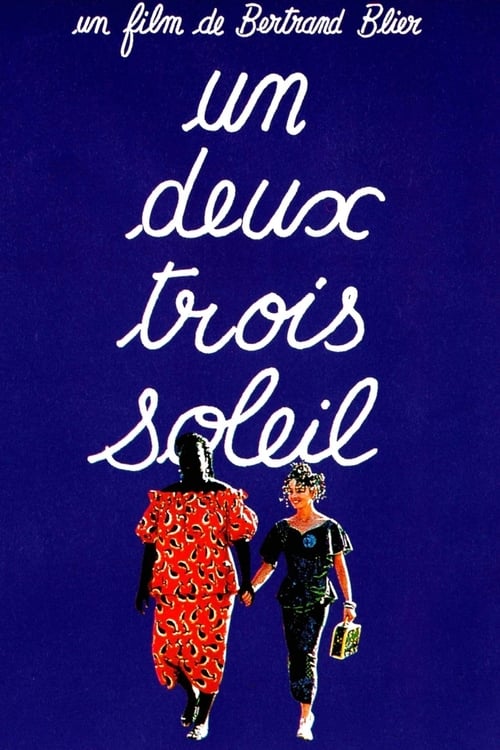
1993

2020

2010
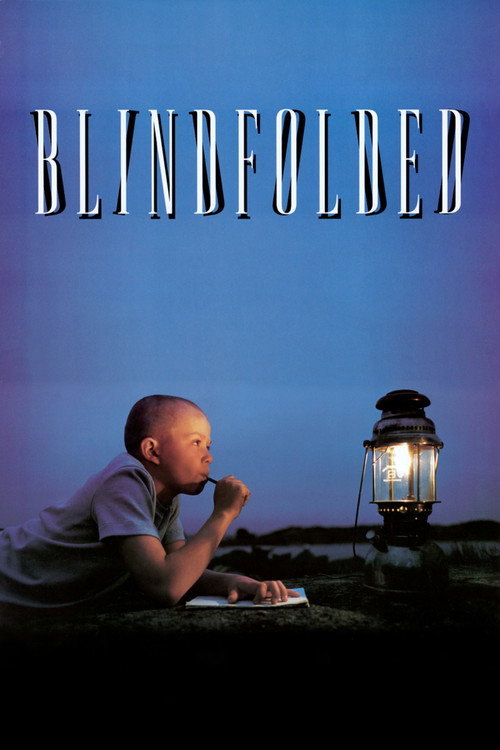
1999

2018

1974
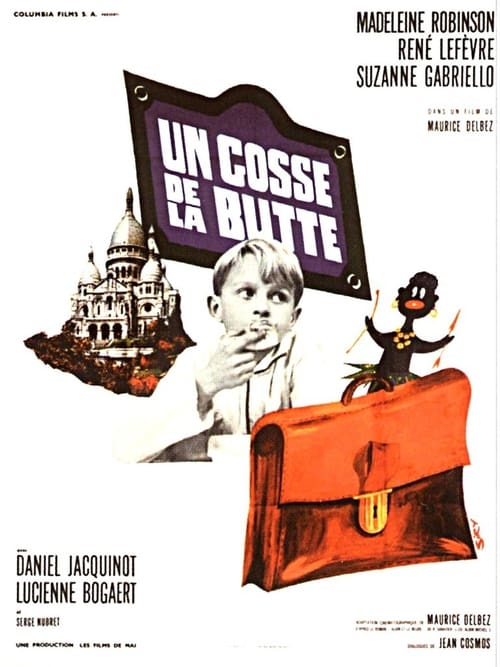
1964
No reviews yet. Be the first to share your thoughts on this movie!
Use the rating form above to leave a star rating and optional review.