
A Place Without Parents
1974
No user ratings available yet
Representation score: 3.0 out of 10
Representation Score
Fair
1989
Director
Christine Lipinska
Runtime
104 minutes
Average Rating
No ratings yetNew Showbiz Analysis
Christine Lipinska’s drama provides a nuanced examination of domestic instability. By removing the parents, the film dismantles the traditional family unit and places the burden of responsibility on a young protagonist. This offers a progressive critique of established social hierarchies. However, the film lacks depth in terms of diverse representation, focusing primarily on a specific European cultural setting. The absence of LGBTQ+ identities, queer narratives, and disability representation further narrows its inclusive scope.
Category Breakdown
The film centers on the breakdown of a traditional family structure. There are no clear representations of queer relationships or non-cisgender identities in the main storyline.
The story challenges traditional gender roles by removing the parents and shifting the focus to a young girl named Laurette. This move grants her a significant role in driving the plot and disrupts typical gender dynamics.
The film seems to be set in a specific European context and does not include a diverse cast or efforts to blend different races.
The film questions the sanctity of the traditional family by showing how the collapse of the nuclear family can lead to both freedom and abandonment within a Western context.
There are no apparent depictions of physical or neurodivergent disabilities in the film.
Present on Screen
Limited or Absent
Official Synopsis
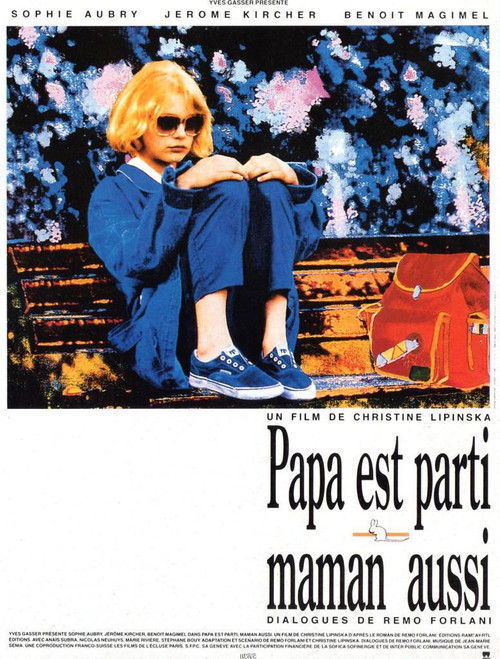
A coming-of-age film: When Laurette's parents disappear following a row, Laurette assumes responsibility for the family. The initial fiesta of children alone gives way to abandonment and the pressures of responsibility.
1974

2017

2017

2016

2016

2023

1981

2012
No reviews yet. Be the first to share your thoughts on this movie!
Use the rating form above to leave a star rating and optional review.