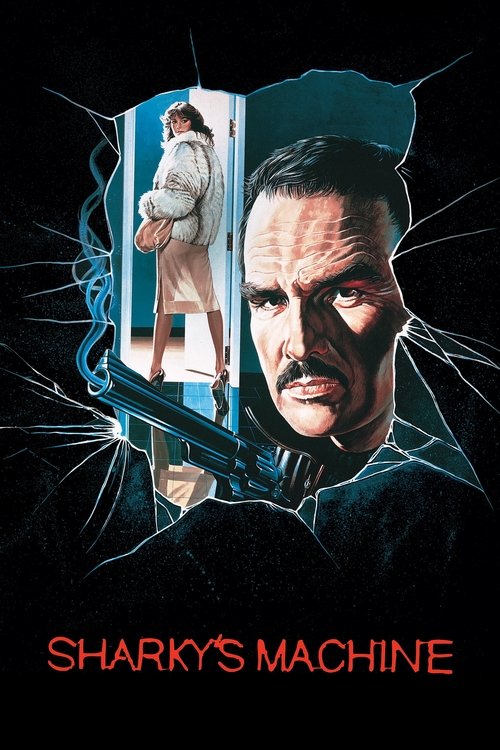
Sharky's Machine
1981
No user ratings available yet
Representation score: 1.1 out of 10
Representation Score
Limited
1974
RDirector
Peter Hyams
Runtime
92 minutes
Average Rating
No ratings yetNew Showbiz Analysis
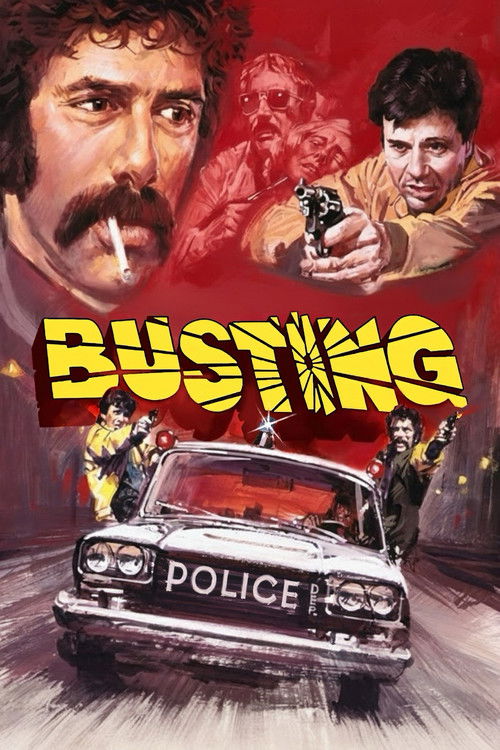
Busting is a transitional crime film that steers clear of the reactionary, hyper-masculine clichés of its time. It replaces the 'heroic officer' archetype with detectives who prioritize personal ethics over strict institutional rules. Although the film lacks a layered approach to diversity, it provides a more nuanced view of authority compared to many of its contemporaries. It focuses on the tension between individual ability to act and systemic rigidity, avoiding vigilante themes. Ultimately, the film's impact lies in its anti-authoritarian stance and its portrayal of a diverse urban landscape, even though its character roles remain somewhat traditional.
Category Breakdown
The film adheres to typical 1970s social norms and does not include any characters or stories related to LGBTQ+ identities.
The story revolves around a male-dominated buddy cop dynamic. Women play minor roles and have limited influence in the main character arcs.
The cast includes actors of various ethnicities, suggesting a diverse Los Angeles setting. However, there are no prominent roles for characters of color.
The film critiques institutionalism by emphasizing individual morality over departmental hierarchy. It avoids the right-wing cynicism often seen in modern crime films.
The film does not depict any significant physical or neurodivergent disabilities that affect the narrative.
Present on Screen
Limited or Absent
Official Synopsis
Defying orders to lay-off the case, two Los Angeles vice-squad cops go after a local mobster and use unorthodox methods to achieve results.
1981
1979
1982
1980
1975

1980

1990
1996
No reviews yet. Be the first to share your thoughts on this movie!
Use the rating form above to leave a star rating and optional review.