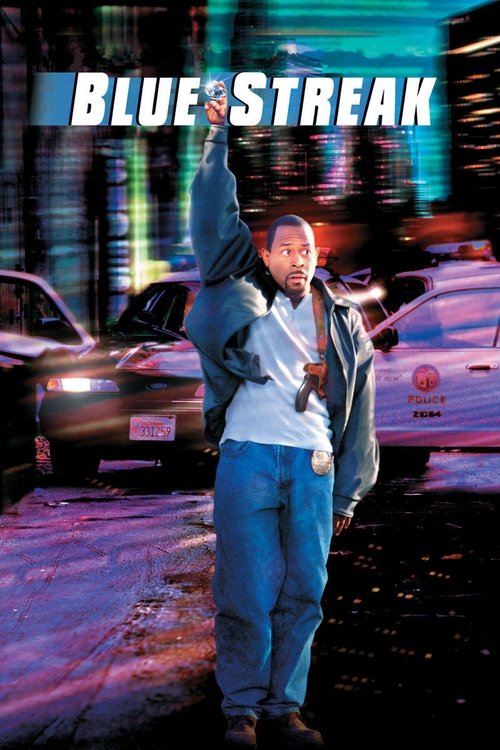
Blue Streak
1999
No user ratings available yet
Representation score: 2.5 out of 10
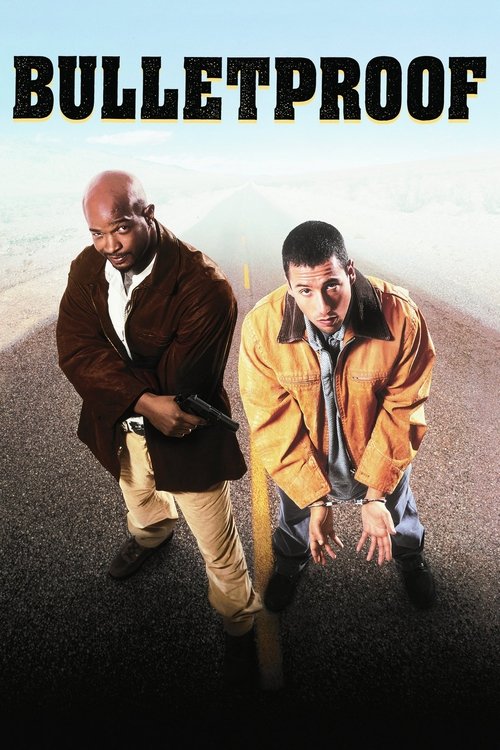
Representation Score
Good
1996
RDirector
Ernest R. Dickerson
Runtime
84 minutes
Average Rating
No ratings yetNew Showbiz Analysis
Bulletproof succeeds in disrupting genre conventions by placing characters of color at the heart of the plot. Director Ernest R. Dickerson uses a diverse Los Angeles backdrop to offer a detailed and realistic portrayal of urban life that challenges the stability of Western institutions. However, the film remains limited in its exploration of multiple aspects of identity. It relies heavily on masculine clichés and does not offer meaningful representation for LGBTQ+ individuals or characters with disabilities. Ultimately, the film's impact lies in its racial and cultural themes. Despite its narrow range of identities, its focus on racial dynamics marks a significant shift from typical 1990s action films.
Category Breakdown
The film does not include any LGBTQ+ identities or characters who don't identify with the gender they were assigned at birth. The story revolves around criminal activities and undercover work.
Male characters play leading roles, following traditional action movie formulas. Female characters appear in supporting roles without challenging existing gender hierarchies.
The film stands out by focusing on a Black protagonist in a diverse Los Angeles environment. This approach breaks away from the predominantly white settings typical of mid-90s action films.
The story delves into the tensions between the LAPD and the community, exploring the conflict between official duties and personal loyalties in an urban context.
There is no significant presence of visible or invisible disabilities. Characters with disabilities are not part of the main cast or central storylines.
Present on Screen
Limited or Absent
Official Synopsis
An undercover police officer named Rock Keats befriends a drug dealer and car thief named Archie Moses in a bid to catch the villainous drug lord Frank Coltan. But the only problem is that Keats is a cop, his real name is Jack Carter, and he is working undercover with the LAPD to bust Moses and Colton at a sting operation the LAPD has set up.
1999
1992
2005
1986
1994
1997
1995
1991
No reviews yet. Be the first to share your thoughts on this movie!
Use the rating form above to leave a star rating and optional review.