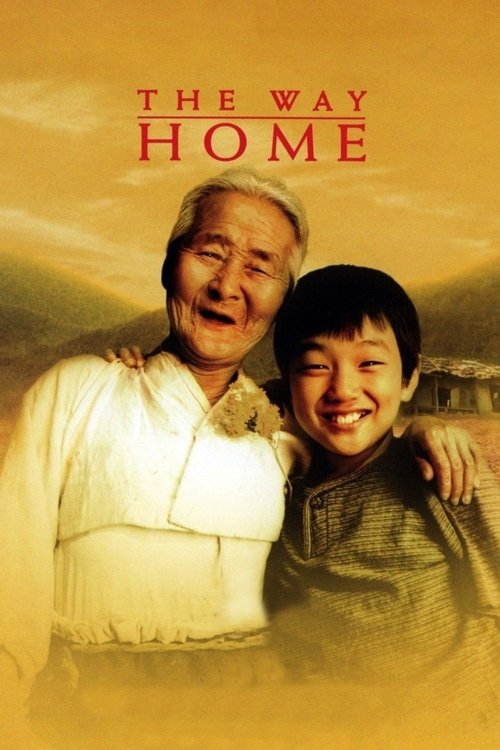
The Way Home
2002
No user ratings available yet
Representation score: 5.5 out of 10
Representation Score
Limited
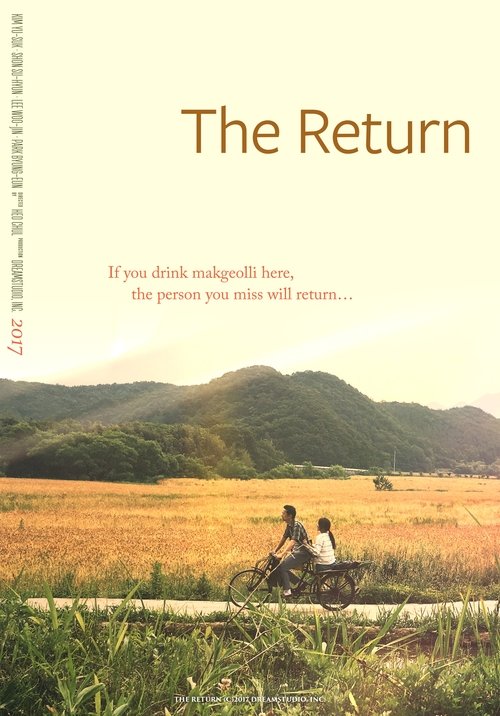
2017
Director
Heo Chul
Runtime
100 minutes
Average Rating
No ratings yetNew Showbiz Analysis
The Return is a character-driven drama that finds its strength in cultural specificity and communal storytelling. By centering the plot on a local restaurant and traditional Korean elements like makgeolli, the film offers a meaningful departure from Western-centric narrative norms. While the film provides a platform for diverse human experiences through its gathering of various characters, it lacks evidence of significant systemic challenges. The representation remains largely focused on traditional social structures and localized commerce. Ultimately, the film serves as a restorative, localized narrative. It emphasizes emotional reconciliation and cultural heritage, though it does not currently demonstrate significant multi-layered complexity or representation of underrepresented identities.
Category Breakdown
The film does not include any LGBTQ+ characters or narratives. There is no evidence of queer subtext or non-straight relationships.
Joo-Young provides a female presence within the workspace of the male lead, Byun. However, it remains unclear if the film challenges or reinforces traditional gender roles.
As a South Korean production, the film centers an East Asian cultural context. Traditional elements like makgeolli emphasize local heritage.
The narrative uses traditional markers like rice wine to drive its emotional premise. It focuses on community and human connection through a small-scale, local business setting.
There is no mention of characters with visible or invisible disabilities. The documentation provides no information regarding disability representation.
Present on Screen
Limited or Absent
Official Synopsis
Byun goes back to his hometown and opens a small restaurant selling food and makgeolli (traditional rice wine). He puts up a framed quote that states "If you drink makgeolli here, those you miss will return." A young woman, Joo-Young begins to stay there and work. People with their own stories gather at the restaurant.
2002
2018
2004
2019
2023
2012
2020
2013
No reviews yet. Be the first to share your thoughts on this movie!
Use the rating form above to leave a star rating and optional review.