Adult Life Skills
2016
No user ratings available yet
Representation score: 7.9 out of 10
Representation Score
Good
2012
Not RatedDirector
Todd Solondz
Runtime
86 minutes
Average Rating
No ratings yetNew Showbiz Analysis
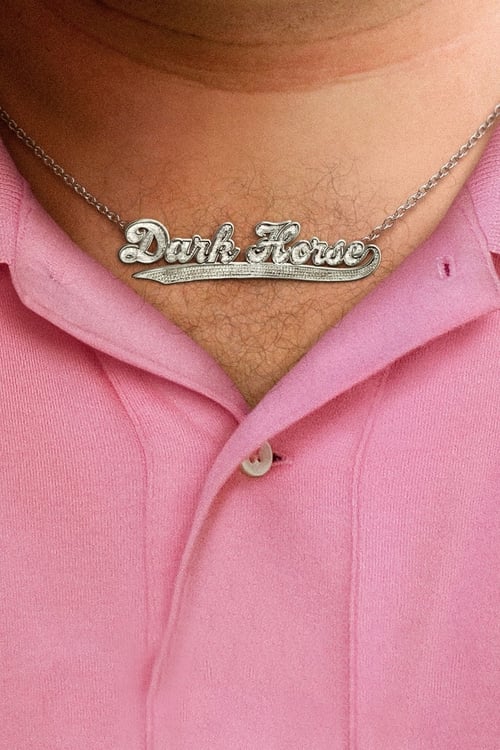
Dark Horse stands out as a psychological study that rejects idealized versions of family and social stability. It uses dark humor to critique the superficial structures of Western middle-class life. However, the film's demographic focus is narrow, lacking significant representation regarding race and LGBTQ+ identities. Its strength lies in its intellectual subversion of social norms and its honest depiction of neuroses, even though it does not include a wide range of demographic backgrounds.
Category Breakdown
The film lacks prominent LGBTQ+ characters or representations that go beyond the assumption that everyone is straight or cisgender. The story centers on the protagonist's unsuccessful romantic relationships within a traditional framework that assumes everyone is straight.
The film challenges the idea that men are always strong and competent by showing the protagonist as vulnerable and emotionally unstable. Female characters are portrayed as equally flawed and socially isolated, avoiding typical feminine roles.
The setting and casting focus on a homogeneous, middle-class suburban population. There is a lack of notable racial or ethnic diversity among the main actors.
The story effectively dismantles Western social institutions and traditional values. It portrays marriage and family stability as sources of disappointment and absurdity.
The film provides a detailed look at mental health struggles and social dysfunction. These psychological issues are woven into the characters' identities rather than used merely as plot devices.
Present on Screen
Limited or Absent
Official Synopsis
Abe is a man who is in his thirties and who lives with his parents. He works regretfully for his father while pursuing his hobby of collecting toys. Aware that his family doesn't think highly of him, he tries to spark a relationship with Miranda, who recently moved back home after a failed literary/academic career. Miranda agrees to marry Abe out of desperation, but things go awry.
2016
2006
2011
2000
2016
2005
1994
2007
No reviews yet. Be the first to share your thoughts on this movie!
Use the rating form above to leave a star rating and optional review.