
Landline
2017
No user ratings available yet
Representation score: 3.3 out of 10
Representation Score
Fair
1994
UnratedDirector
David O. Russell
Runtime
106 minutes
Average Rating
No ratings yetNew Showbiz Analysis
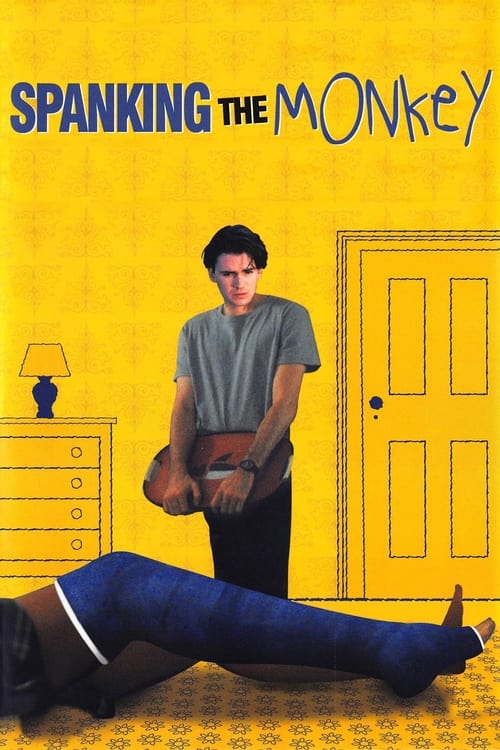
Spanking the Monkey is a psychological study that prioritizes realistic character development over broad demographic representation. It provides a sophisticated critique of social institutions while remaining focused on a specific, white, middle-class suburban setting. The film's strength lies in its intellectual deconstruction of social structures and traditional moral frameworks. However, it lacks racial and ethnic diversity and does not include any LGBTQ+ characters or non-assuming gender matches what was assigned at birth identities.
Category Breakdown
The film focuses on heterosexual and cisgender relationships without including any LGBTQ+ characters or non-assuming gender matches what was assigned at birth identities.
The story challenges traditional gender roles by showing a vulnerable, dependent mother and a son whose role evolves from caregiver to something more complex.
The film is set in a white, middle-class suburban environment and lacks racial diversity among its main characters.
The narrative questions the sanctity of the Western nuclear family by emphasizing psychological complexity and moral relativism.
Physical impairment, specifically a broken leg, is used to shift household power dynamics rather than exploring neurodivergence or personal empowerment.
Present on Screen
Limited or Absent
Official Synopsis
Bright young student Raymond Aibelli is forced to sidetrack an important medical internship because his mother, Susan, is recovering from a broken leg. When he isn't tasked with the most mundane aspects of Susan's recuperation, Raymond finds distraction in a neighborhood girl, Toni Peck. But, as Susan begins relying on her son for both physical and emotional needs, Raymond starts developing disturbing and unwanted new yearnings.
2017

1976

2012
1969
2003

1997

1997

1997
No reviews yet. Be the first to share your thoughts on this movie!
Use the rating form above to leave a star rating and optional review.