I Am Breathing
2013
No user ratings available yet
Representation score: 7.5 out of 10
Representation Score
Fair
2021
Director
Noah Arjomand, Adam Isenberg, Senem Tüzen
Runtime
74 minutes
Average Rating
No ratings yetNew Showbiz Analysis
Eat Your Catfish is a profound study of human ability to act under extreme physical constraint. Its greatest achievement is the refusal to treat disability as a spectacle of helplessness, instead centering Kathryn's sharp, pragmatic intellect. While the film succeeds in subverting medical passivity and gendered clichés, it lacks visible diversity in terms of race, ethnicity, or LGBTQ+ identities. This limits the scope of its social commentary. Ultimately, the film is a specialized, deeply personal portrait. It trades broad demographic representation for a concentrated, actively leading exploration of life, death, and the autonomy of the mind.
Category Breakdown
The film does not provide explicit information about LGBTQ+ identities. The story focuses on Kathryn's terminal illness without confirming the queer identities of her social circle.
Kathryn is portrayed as a strong female protagonist who maintains intellectual control despite being paralyzed. She challenges traditional hierarchies by commanding her own terminal narrative through eye-tracking technology.
There is no verifiable information regarding the racial or ethnic composition of the subjects. The film does not provide evidence of a diverse cast or subversion of Anglo-Saxon norms.
The film explores secular perspectives on bodily autonomy and end-of-life ethics. It moves away from dogmatic views on the sanctity of life to embrace a more individualistic morality.
The documentary excels by portraying a person with ALS as an active decision-maker rather than a victim. It focuses on Kathryn's cognitive presence and immense intellectual control.
Present on Screen
Limited or Absent
Official Synopsis
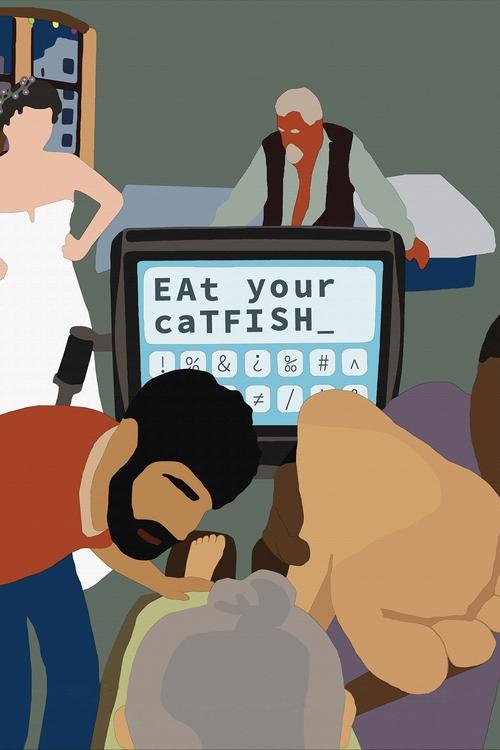
New Yorker Kathryn has the deadly disease ALS and is completely paralyzed. She can only communicate by pointing out letters with her eyes on a special keyboard and she needs 24-hour care. It’s a horrific situation that Kathryn puts into words incisively and pragmatically. The only reason she hasn’t asked to be taken off life support yet, she says, is that she isn’t ready to say goodbye to her children. She wants at least to experience her daughter Minou’s wedding day.
2013
2016

2016
1978

2016
2005
2015

1991
No reviews yet. Be the first to share your thoughts on this movie!
Use the rating form above to leave a star rating and optional review.