
Life Itself
2014
No user ratings available yet
Representation score: 8.1 out of 10

Representation Score
Limited
1991
GDirector
Errol Morris
Runtime
80 minutes
Average Rating
No ratings yetNew Showbiz Analysis
Errol Morris's documentary is primarily an academic study that shines in its portrayal of disability. By emphasizing Stephen Hawking's cognitive capabilities and his use of technology, the film avoids the trap of 'inspiration porn' and treats his ALS with dignity. However, the film's overall diversity is limited by its subject matter. The demographic profile of the interviewees reflects the historical homogeneity of high-level theoretical physics in the early 1990s. This results in a lack of racial and gender diversity among the scientific peers presented. Ultimately, the film is a portrait of a specific intellectual era. While it excels at humanizing the experience of neurodegenerative disease, it remains a product of the demographic realities of its time and field.
Category Breakdown
There are no LGBTQ+ characters or narratives in the film.
The narrative focuses on Stephen Hawking's intellectual achievements. It highlights the historical gender imbalance in academic institutions during the period covered.
The interviewees represent the demographic makeup of the early 1990s theoretical physics community. There is no evidence of intentional racial blending in the casting.
The documentary emphasizes secularism and scientific inquiry. It explains the origins of the universe through mathematical laws rather than religious or cultural perspectives.
The film offers a deep look at physical disability by focusing on Stephen Hawking's intellect and his use of technology to communicate. It avoids pity by highlighting his cognitive abilities and functional communication methods.
Present on Screen
Limited or Absent
Official Synopsis
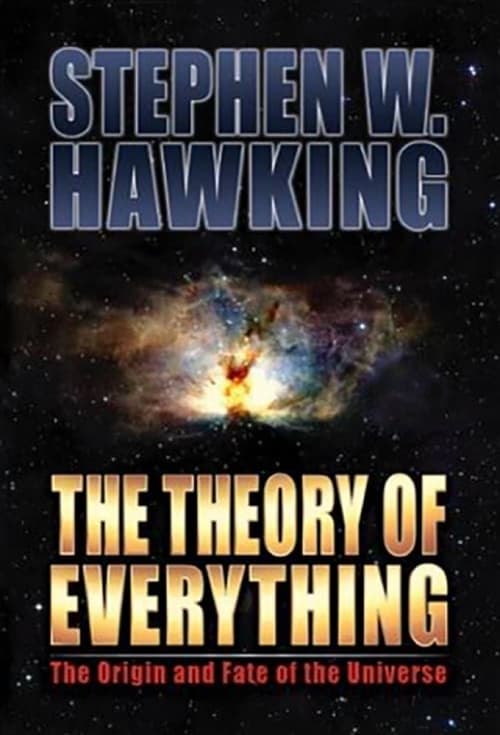
Partly adapted from cosmologist Stephen Hawking's popular book about his theories of the universe, this in-depth documentary also presents Hawking's daily life as he deals with the ALS that renders him virtually immobile and unable to speak without the use of a computer. Hawking's friends, family, former classmates and peers are interviewed about not only his theories but the man himself.
2014
2004

2013
2015
2009
2016

2016

2020
No reviews yet. Be the first to share your thoughts on this movie!
Use the rating form above to leave a star rating and optional review.