My Chauffeur
1986
No user ratings available yet
Representation score: 4.0 out of 10
Representation Score
Limited
1988
PG-13Director
David Beaird
Runtime
78 minutes
Average Rating
No ratings yetNew Showbiz Analysis
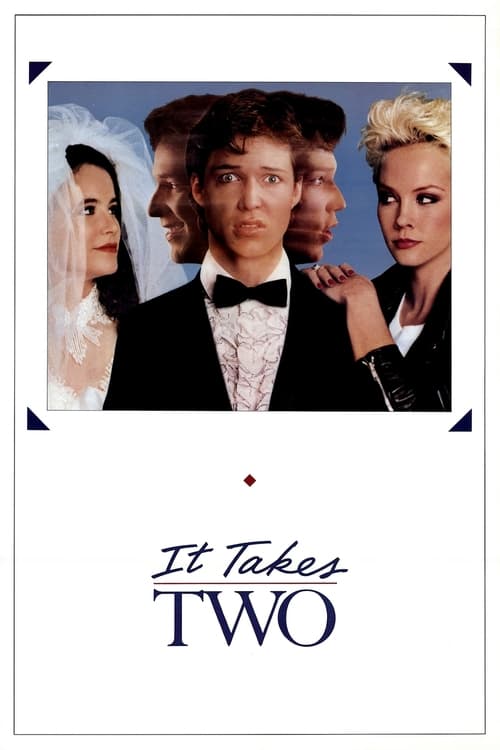
It Takes Two stands out for its progressive approach to racial and class-based storytelling. By utilizing a dual-identity premise, the film explores how environment and systemic factors shape identity through the lens of the Black experience. However, the film remains anchored in 1980s romantic comedy conventions. While the central conceit offers social commentary, the reliance on traditional gender dynamics and straight-centered romance limits its broader impact. Ultimately, the film is a study in socioeconomic the way different parts of someone's identity overlap that is tempered by its adherence to standard comedic clichés.
Category Breakdown
The film does not include any LGBTQ+ characters or stories involving non-straight relationships. Romantic elements follow traditional heterosexual structures.
Jonni plays a significant role as a professional saleswoman, but the story follows conventional romantic trajectories. The film relies on established gender clichés rather than challenging familiar patterns.
Mario Van Peebles plays dual roles to explore the Black experience across different socioeconomic environments. This casting disrupts the era's typical homogeneity.
The narrative critiques the superficiality and performative nature of high-society norms using a 'switch' mechanic to deconstruct upper-class social structures.
No visible or invisible disabilities are portrayed as central to the character arcs or the narrative development.
Present on Screen
Limited or Absent
Official Synopsis
Travis is due to marry Stephanie in a few days when he is convinced by beautiful saleswoman Jonni to buy a fancy sports car. The car looks good, but it turns out to be a piece of junk. Travis is determined to get satisfaction and he and Jonni hit the road to confront the crooked car dealer.
1986
1980
2002
1972

2019
1987
1992

2006
No reviews yet. Be the first to share your thoughts on this movie!
Use the rating form above to leave a star rating and optional review.