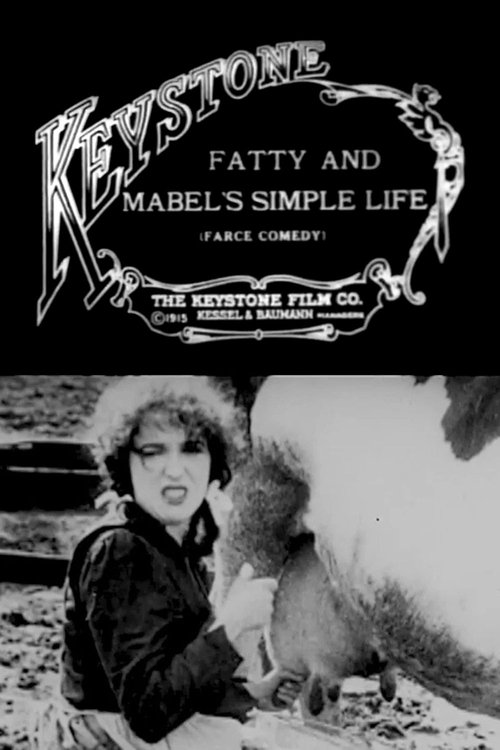
Fatty and Mabel’s Simple Life
1915
No user ratings available yet
Representation score: 2.2 out of 10

Representation Score
Limited
1919
NRDirector
Roscoe Arbuckle
Runtime
23 minutes
Average Rating
No ratings yetNew Showbiz Analysis
Love (1919) is a product of its era, functioning as a standard silent comedy that relies on established social hierarchies. The narrative utilizes broad archetypes to drive a simple romantic conflict, prioritizing physical humor over complex representation. The film lacks intentional diversity, adhering to the homogeneous and patriarchal norms of the early 20th century. Characters often serve specific comedic or plot functions rather than representing nuanced identities. Ultimately, the work reinforces traditional social structures through its treatment of gender, class, and disability, offering little disruption to the conventional expectations of its time.
Category Breakdown
The film follows a traditional heterosexual romantic structure. There is no evidence of same-sex intimacy or non-binary gender identities.
Winifred serves primarily as a plot catalyst and object of male desire. The narrative reinforces patriarchal structures, such as a father trading his daughter's marriage for land.
The setting reflects the homogeneous demographic norms of early 20th-century American cinema. There is no evidence of diverse casting or multi-layered representation.
The story focuses on socioeconomic tension between the working class and the landed gentry. It prioritizes romantic resolution over cultural or systemic critique.
The character Al is portrayed as 'slow-witted,' a common slapstick cliché. This uses intellectual disability as a comedic device rather than a nuanced portrayal.
Present on Screen
Limited or Absent
Official Synopsis
"Fatty", a poor good hearted farm boy is deeply in love with Winifred, a farmer's daughter. A rich neighbor offers the farmer a large plot of land if Winifred marries his slow witted son Al. "Fatty" has less then one day to save heartbroken Winifred from the rushed ceremony.
1915
1927
1914
1938
1917
2005
1934

1925
No reviews yet. Be the first to share your thoughts on this movie!
Use the rating form above to leave a star rating and optional review.