
Getting Gotti
1994
No user ratings available yet
Representation score: 0.8 out of 10
Representation Score
Limited
1990
Director
John Gray
Runtime
100 minutes
Average Rating
No ratings yetNew Showbiz Analysis
The film operates within a conventional mid-20th-century framework, emphasizing traditional morality and established social hierarchies. It relies on archetypal storytelling that reinforces a clear distinction between the righteous lawman and the criminal underworld. While the inclusion of an Indian deputy offers some racial diversity, the narrative remains centered on Anglo-centric power dynamics. Gender roles are strictly traditional, defining women through their domestic and community roles. Ultimately, the work celebrates individual moral fortitude and the preservation of the traditional family unit, without challenging historical social norms.
Category Breakdown
The story focuses on a heterosexual marriage between Jimmy and Kathleen. There are no representations of LGBTQ+ identities or non-traditional gender perspectives.
The film follows a traditional hierarchy where male characters drive the plot. Kathleen is defined primarily through her roles as a wife and teacher.
An Indian deputy adds ethnic diversity to the law enforcement setting. However, the main conflict revolves around Anglo-centric power dynamics.
The narrative upholds a clear moral binary between criminals and law-abiding citizens. It celebrates traditional Western values and small-town social order.
The film does not include any characters dealing with physical or neurodevelopmental disabilities.
Present on Screen
Limited or Absent
Official Synopsis
While Al Capone works his way up from top-dog street gang thug captain in Chicago to U.S. crime king, his brother Jimmy Capone chooses the righteous way, actually with father's blessing, leaving Illinois for small town Harmony in Nebraska, where he adopts the alias Richard Hart, marries teacher Kathleen, has offspring and becomes its incorruptible town marshal, with a loyal Indian deputy. When his efficient fight against Al's illegal alcohol trade starts to bite financially, the gang's top lawyer is sent to buy 'Hart' or order his death, but recognizes Jimmy and arranges a fraternal reunion in Chicago. Yet money nor threats can turn Jimmy bad...
1994

1938

1978
1973
1975

1972
1995
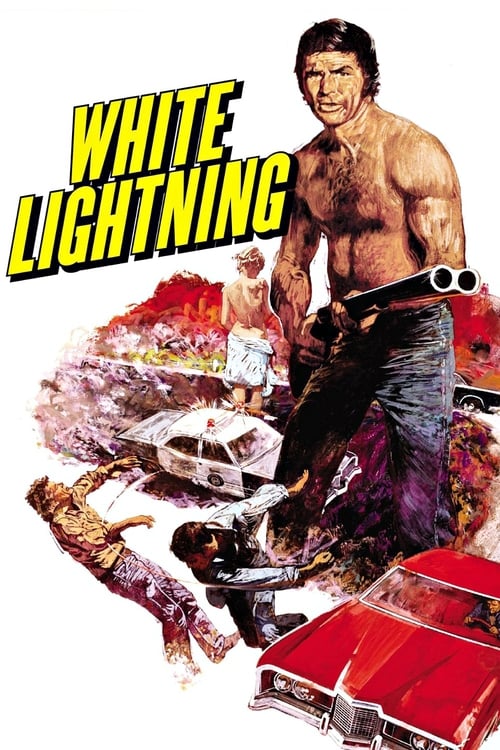
1973
No reviews yet. Be the first to share your thoughts on this movie!
Use the rating form above to leave a star rating and optional review.